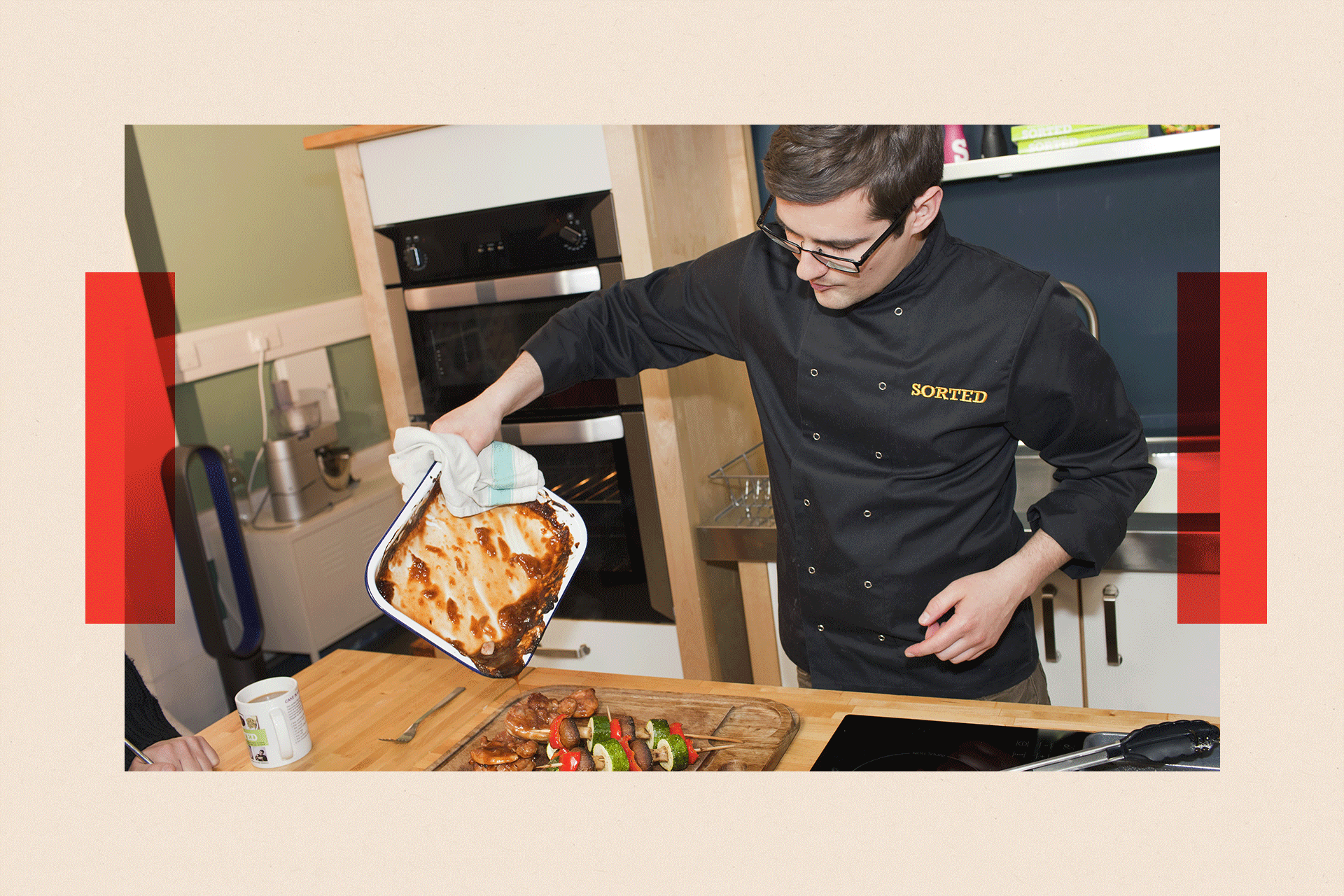
Television cooking shows, once a staple of prime-time viewing, are losing their audience, and the cronut—a hybrid of croissant and donut—offers insight into why.
In recent years, traditional TV cooking shows have seen a noticeable decline in ratings and cultural relevance. Programs that once drew millions of viewers, featuring celebrity chefs and elaborate culinary challenges, are now struggling to maintain engagement. This shift reflects broader changes in how audiences consume content, as well as evolving attitudes toward food, creativity, and convenience. The cronut phenomenon, which took the world by storm a decade ago, exemplifies how culinary trends and social media influence modern eating habits in ways that television alone can no longer capture. Cronuts represent more than a pastry; they illustrate how novelty, instant gratification, and shareable experiences have reshaped food culture, highlighting why traditional cooking shows are losing their luster.
The ascent and decline of television cooking shows
Culinary shows gained prominence as a popular genre during the 1990s and 2000s, merging entertainment with education and aspirational ways of living. Shows such as Iron Chef, Barefoot Contessa, and MasterChef captivated viewers with their thrilling competitions, intense challenges, and magnetic hosts. These programs not only inspired viewers but also provided guidance, motivating them to explore new cooking methods while enjoying the excitement of televised competitions.
However, the format that once guaranteed viewers has started to feel dated. Audiences crave interactivity, immediacy, and relatability—qualities that traditional TV struggles to provide. Long-form episodes with scripted tension no longer hold attention in an era dominated by social media, short-form video, and on-demand streaming platforms. Modern viewers prefer platforms where they can engage with content at their own pace, comment, share, and even recreate recipes in real-time. The one-way communication of traditional cooking shows cannot compete with the dynamic, participatory culture of digital media.
The television medium frequently misses the naturalness and genuine appeal that modern audiences desire. Those watching are attracted to figures and trends that seem accessible, engaging, and visually vibrant—attributes that social media personalities and popular cooking clips frequently deliver more successfully than traditional TV networks. Consequently, culinary programs are progressively perceived as repetitive, foreseeable, and out of touch with the rapidly changing landscape of food culture.
Cronuts and the transformation in culinary culture
The cronut’s meteoric rise underscores a key factor behind the decline of TV cooking shows: novelty and instant shareability dominate today’s food culture. Introduced by Dominique Ansel in New York City in 2013, the cronut combined elements of a croissant and a donut into a single, visually striking pastry. Its success was fueled not just by taste, but by its Instagram-ready appearance, limited availability, and social media buzz. Lines outside bakeries and viral photos online created a sense of urgency and exclusivity that television shows, tied to a fixed schedule and format, cannot replicate.
Cronuts represent a broader trend in how people experience food. Consumers increasingly value uniqueness, visual appeal, and the ability to share culinary experiences digitally. This focus on novelty has shifted attention away from traditional instructional cooking content, toward dynamic, bite-sized, and interactive forms of culinary entertainment. Instagram, TikTok, and YouTube provide platforms where viewers can engage directly with trends, try recipes at home, and participate in challenges—activities that traditional cooking shows cannot fully accommodate.
Moreover, the cronut phenomenon highlights a shift in food as a cultural experience rather than purely sustenance or technique. Audiences are drawn to foods that tell a story, evoke emotion, or spark conversation. Social media amplifies this effect, turning limited-edition pastries into cultural moments and influencing culinary trends on a global scale. In contrast, television shows, with rigid schedules and controlled production, struggle to create the immediacy and virality that modern audiences crave.
Social media and the democratization of food content
The drop in popularity of cooking programs on television is directly related to the growth of social media, which democratizes content and promotes active involvement. Sites such as TikTok and Instagram have revolutionized how individuals find, share, and interact with recipes. Concise, visually appealing clips deliver instant gratification and a level of accessibility that conventional cooking shows seldom offer. Viewers are no longer bound to a weekly schedule; instead, they can immerse themselves in an endless flow of trends, how-to guides, and new ideas at any moment.
This shift has also altered the role of the chef in popular culture. While television chefs were once authoritative figures, social media influencers and home cooks now hold significant sway, creating peer-driven communities of culinary experimentation. Engagement metrics, likes, shares, and comments now determine popularity, rather than broadcast ratings. The cronut, as a viral sensation, exemplifies this new paradigm: its appeal was amplified by user-generated content, online reviews, and social sharing rather than traditional media promotion.
Moreover, the advent of online platforms fosters innovation and encourages boldness. In contrast to TV broadcasters that must follow rigid programming standards, social networks enable culinary artists to explore freely, quickly try out concepts, and rapidly adjust based on viewer reactions. This dynamic, engaging method has transformed the public’s view on food and entertainment, making it challenging for conventional cooking programs to remain pertinent.
Reevaluating the future of gastronomic entertainment
The lesson of the cronut and similar viral food phenomena is clear: culinary entertainment must adapt to modern consumption habits. Audiences prioritize novelty, engagement, and interactivity over formulaic instruction. Cooking shows that fail to embrace social media, short-form content, and participatory experiences risk further decline. Networks must rethink formats, perhaps by integrating digital platforms, encouraging audience participation, or highlighting food as a visual and social experience rather than purely instructional content.
Some networks have experimented with hybrid approaches, combining traditional programming with interactive online components, live-streamed tutorials, and social media engagement. These experiments suggest that there is still a place for television-based culinary entertainment—but only if it evolves to meet contemporary demands. The key is to leverage the immediacy and interactivity that audiences now expect while retaining the storytelling, suspense, and expertise that make professional culinary content compelling.
The reduction in popularity of televised culinary programs is more about evolving viewer habits and societal trends than the quality of the content itself. The rise of the cronut highlights how innovation, sharability, and online interaction have transformed food culture, focusing on immediacy, visual appeal, and involvement. TV channels and those who produce culinary content need to acknowledge these changes to stay pertinent. By adopting modern formats, engaging activities, and the communal aspects of cuisine, food-related entertainment can still prosper, even in a time where brief digital content and viral hits prevail.