Phoebe Philo’s arrival at Celine in 2008 became a pivotal turning point not only for the brand but for the broader fashion world. Celebrated for her forward-thinking minimalism and her instinctive grasp of what modern women seek, Philo swiftly recast Celine from a relatively understated luxury house into a cultural and commercial force. Her tenure, which extended until 2017, elevated the brand’s prestige, reshaped contemporary tastes, and established a lasting influence that continues to shape today’s fashion landscape.
Reinventing the Celine Aesthetic
Before Phoebe Philo’s leadership, Celine was respected for its quality but lacked a distinct, contemporary identity. The brand’s image was often perceived as traditional, appealing mainly to an older clientele. Philo recognized this gap and reimagined Celine with an unapologetically modern lens. She introduced clean lines, androgynous tailoring, and a muted palette—elements that broke away from the ornate and highly feminine designs dominating luxury at the time.
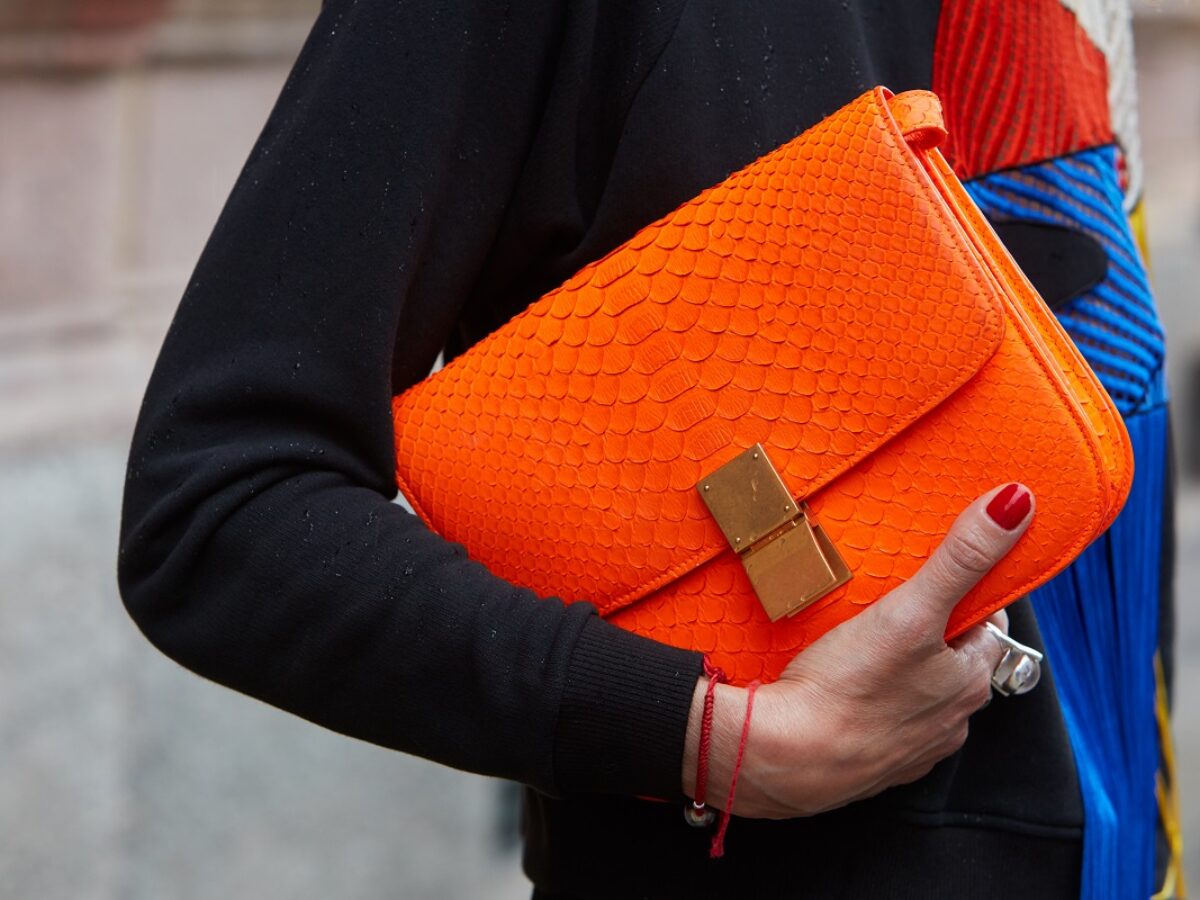
Philo’s Celine collections emphasized subtlety over spectacle. Signature pieces such as the oversized coats, wide-legged trousers, and crisp white blouses became fashion essentials. Her focus on practicality did not come at the expense of elegance; rather, it redefined luxury as ease and effortlessness. One of her notable contributions was transforming everyday accessories into coveted status symbols. The Luggage Tote and Trapeze bag, for example, became instantly recognizable and perpetually waitlisted, fueling demand and solidifying Celine’s reputation for must-have investment pieces.
Design Philosophy: Empowerment Through Clothing
Central to Phoebe Philo’s approach was her commitment to designing for real women. She often refused to follow fleeting trends, instead creating collections that resonated with autonomy, intelligence, and confidence. Her famous declaration, “I wanted to make clothes that women would want to wear,” reflected a deep empathy with her customer.
This customer-centric philosophy extended to her use of models and campaign imagery. Philo’s campaigns frequently featured women of various ages and backgrounds, including Joan Didion, the revered American author, who fronted a campaign at 80 years old. By promoting a more inclusive vision of beauty and style, she set new industry standards and fostered a loyal, thoughtful consumer base.
Cultural Significance and Social Impact
Philo’s Celine ignited a broader shift within the fashion world, driving the rise of so-called quiet luxury and sparking the “philo-phile” movement among industry insiders and consumers alike. Many notable editors, stylists, and celebrities publicly endorsed her collections. Well-known film director Sofia Coppola, for instance, was often photographed in Celine, exemplifying the effortless chic that the label came to represent.
Under Philo, Celine’s cultural capital soared. The brand moved beyond runways and entered the mainstream lexicon of desirable, wearable luxury. Elements that once seemed utilitarian—such as flat loafers, pressed wide-leg trousers, and sculptural jewelry—became hotly pursued, embodying an understated allure that resonated across age groups and nationalities.
Market Dynamics and Economic Expansion
Philo’s leadership also ushered in a period of pronounced commercial success for Celine. Sales steadily increased as the brand captured the attention of a new, younger generation. According to reports from the parent company LVMH, by the latter years of Philo’s tenure, Celine experienced double-digit sales growth, and its ready-to-wear lines became core revenue drivers. Accessories saw explosive demand, particularly the handbags, which at times had year-long waiting lists. This commercial upturn validated the strategic pivot towards modern, practical luxury.
Celine boutiques, redesigned under Philo’s guidance, reflected the same minimalist sensibility found in her clothing, merging architectural precision with warmth—creating physical spaces that embodied the brand’s philosophy and further enhanced customer loyalty.
Lasting Heritage and Impact on the Industry
The conclusion of Philo’s tenure at Celine in 2017 stirred nostalgia and fueled questions about the enduring reach of her vision. Designers throughout the fashion world increasingly mirrored her approach, embracing everything from normcore sensibilities to fluid, gender-neutral silhouettes and enduring wardrobe essentials. Numerous brands pursued her talent for merging appeal with practicality, emphasizing adaptable, comfortable pieces while preserving a sense of polished sophistication.
Many within the fashion community credit Philo with inspiring a new mode of dressing: the intelligent wardrobe. Her focus on modular pieces encouraged thoughtful consumption and cherished the notion of garments as lifelong companions rather than disposable trends. Her emphasis on authenticity and self-confidence over ostentatious branding continues to influence design studios and consumers alike.
Phoebe Philo’s era at Celine did more than transform a label; it reframed the fashion landscape for a new decade. She set new standards for how luxury can serve the needs of contemporary life, balancing functionality with beauty and inviting a quiet confidence that redefined elegance. The blueprint she created continues to guide designers and excite fashion enthusiasts, proving that true innovation, rooted in empathy and intelligence, has an enduring power to reshape culture.