Social Responsibility

Bolivia: natural-resources CSR with community consultation and water-access projects

Natural resources and water in Bolivia: CSR for sustainable communities

Bolivia is a nation where plentiful natural assets—such as minerals, lithium-rich brines, hydrocarbons, forests, and extensive freshwater networks—exist alongside rural and indigenous populations who depend on these ecosystems for their everyday sustenance. Corporate social responsibility (CSR) within extractive and infrastructure industries has increasingly shifted toward a central concern: water. Companies operating in Bolivia now face mounting expectations to prevent damage to water sources, incorporate community perspectives and approval, and implement reliable water-access initiatives that enhance local living conditions while safeguarding surrounding ecosystems.The impact of natural‑resource operations on waterMining: open-pit and underground operations may depress groundwater levels, shift surface hydrology, and…

Read More
Azerbaijan: energy-sector CSR cases investing in safety and community development

Azerbaijan: energy sector CSR cases investing in safety and community development

Azerbaijan’s economy is strongly tied to oil and gas. Large-scale projects such as Azeri–Chirag–Gunashli (ACG), Shah Deniz and the Baku‑Tbilisi‑Ceyhan (BTC) pipeline have shaped national development and created long-term relationships between multinational operators and local communities. These projects carry complex safety, environmental and social risks, and energy companies operating in Azerbaijan have developed corporate social responsibility (CSR) programs that explicitly invest in safety systems and community development. Such efforts are driven by regulatory expectations, lender requirements (IFC, EBRD, Equator Principles), and company policies aligned with international health, safety and environment (HSE) standards (for example ISO 45001 and HSE management frameworks).Why…
Read More
Bhutan: tourism CSR preserving culture and limiting impacts on fragile ecosystems

Sustainable tourism in Bhutan: CSR for culture and fragile ecosystems

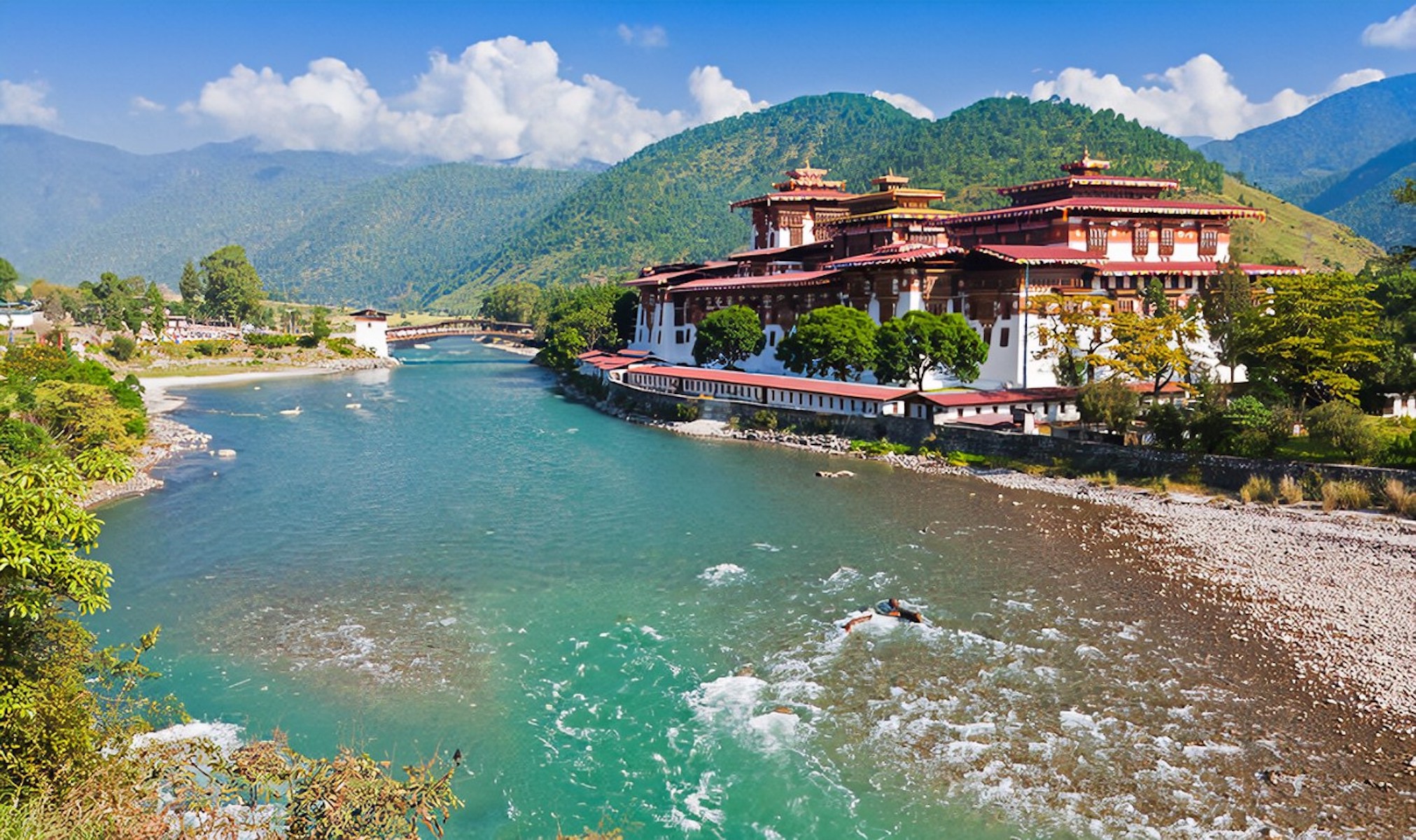
Bhutan is widely recognized as a deliberate model of tourism stewardship, designed to safeguard its cultural heritage and delicate environments while generating income for national progress. The nation’s core philosophy prioritizes well-being and preservation over uncontrolled increases in visitor numbers. That vision is carried out through policy mechanisms, controlled market entry, collaborations with private operators, and community-driven strategies that strive to ensure tourism gains remain local and negative impacts stay contained.Key policy instruments and mechanismsHigh-value, low-volume approach: Visitors are required to purchase a government-mandated package that includes a daily conservation and development charge. This mechanism raises revenue and acts as…
Read More
Georgia: CSR cases strengthening responsible tourism and local entrepreneurship

CSR in Georgia: boosting responsible tourism and local businesses

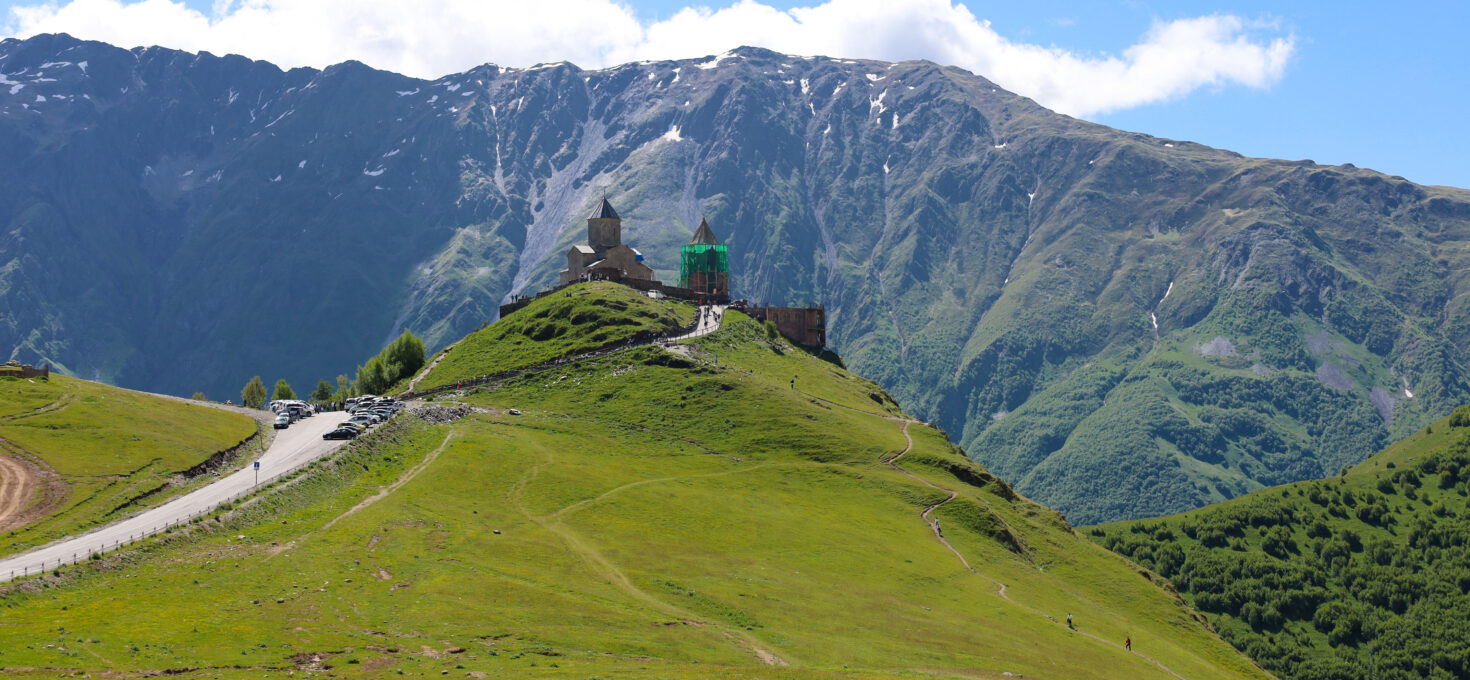
Georgia has positioned tourism as a strategic growth sector that links natural assets, cultural heritage, and emerging small enterprises. Responsible tourism and local entrepreneurship reduce leakage of tourist revenue, preserve ecosystems and traditions, and create year-round jobs in rural and mountain communities. When corporate social responsibility (CSR) is intentionally aligned with tourism development, the results are stronger livelihoods, improved visitor experiences, and more resilient communities.Context and scaleEconomic role: Tourism has emerged as one of Georgia’s most dynamic sectors in the past decade, representing a substantial portion of service exports and job creation, especially across regions beyond the capital.Geographic opportunity: Mountain…
Read More