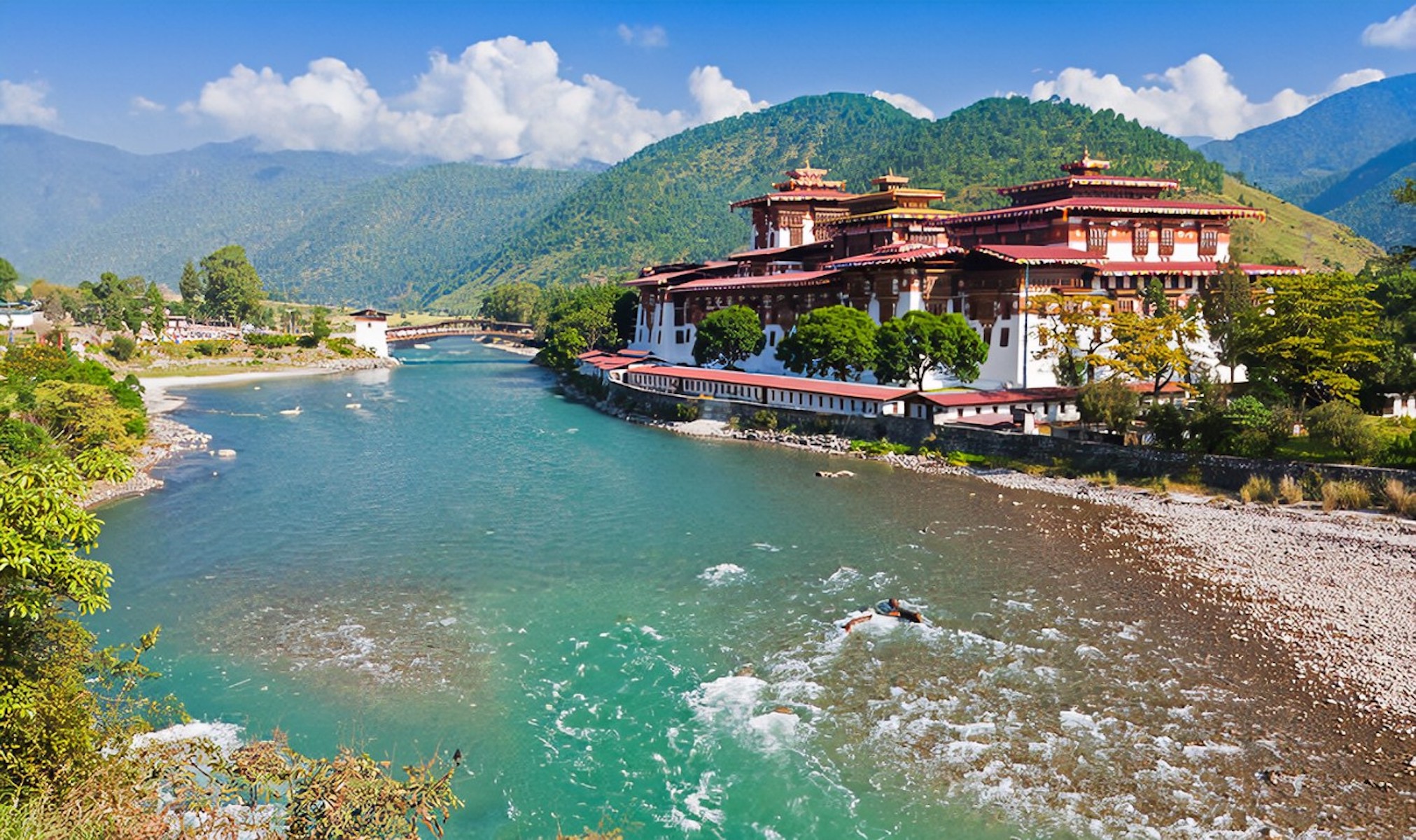
Bhutan is widely recognized as a deliberate model of tourism stewardship, designed to safeguard its cultural heritage and delicate environments while generating income for national progress. The nation’s core philosophy prioritizes well-being and preservation over uncontrolled increases in visitor numbers. That vision is carried out through policy mechanisms, controlled market entry, collaborations with private operators, and community-driven strategies that strive to ensure tourism gains remain local and negative impacts stay contained.
Key policy instruments and mechanisms
- High-value, low-volume approach: Visitors are required to purchase a government-mandated package that includes a daily conservation and development charge. This mechanism raises revenue and acts as a demand filter to limit mass, low-cost travel.
- Daily sustainable development fee: A fixed daily fee for most international visitors is used to finance infrastructure, conservation, health, and education. The fee is kept visible in pricing to ensure transparency and earmarked use.
- Visa and permit controls: Entry is controlled through visa rules and permits for travel to sensitive or remote areas. Licensed operators and registered guides are required for many treks and visits.
- Legal and constitutional safeguards: Environmental protections in national policy require significant forest cover to be maintained and support a network of protected areas and biological corridors to safeguard biodiversity.
Environmental framework and quantifiable results
- Protected land and forests: Over half of the land area is conserved in parks and corridors, and forest cover is maintained well above the constitutional minimum. These protections underpin watershed health, biodiversity, and carbon sequestration.
- Carbon balance: The country is recognized for absorbing more carbon than it emits, thanks to extensive forest cover and low industrial emissions—an important asset when planning climate-resilient tourism.
- Visitor volumes: Prior to the global travel downturn, annual arrivals numbered in the low hundreds of thousands, and policy tools were explicitly designed to keep future growth manageable while increasing per-visitor revenues for public goods.
Tourism-driven pressures and the vulnerable ecosystems in jeopardy
- Ecosystem pressures: Trails, campsites, and high-use valleys are vulnerable to erosion, loss of native vegetation, wildlife disturbance, and waste accumulation if unmanaged.
- Water and waste: Remote lodges and trekking routes can strain local water supplies and generate waste streams that are difficult to treat without investment in infrastructure.
- Cultural dilution: Popular sites and festivals risk commercialization, loss of ritual meaning, or commodification of traditional crafts if benefits do not accrue to custodial communities.
Corporate social responsibility (CSR) in practice
The tourism private sector, encompassing hotels, lodges, airlines, and tour operators, fulfills an essential function by implementing both voluntary and required CSR initiatives.
- Revenue sharing and community funds: Numerous operators collaborate with nearby communities by arranging homestays, hiring local personnel, and supporting development efforts that include schools, medical posts, and clean-water initiatives.
- Environmentally responsible operations: Leading properties allocate resources to wastewater treatment, solar systems, high-efficiency heating, composting, and cutting back plastic use to minimize their impact in fragile environments.
- Capacity-building and cultural support: Companies provide financial backing for training local guides, strengthening handicraft cooperatives, and enhancing language or hospitality abilities so communities retain a greater portion of tourism-related earnings.
- Partnerships with foundations and government: Collaborative ventures among private operators, national agencies, and local NGOs underwrite habitat restoration, wildlife monitoring, and improved waste-handling programs.
Community-based tourism and conservation case examples
- Valley conservation and visitor programs: In crane-supporting valleys, community-run homestays and guided tours are integrated with seasonal wildlife protection efforts. Revenues are used to offset household income losses from agricultural restrictions and to finance public services.
- Remote trekking management: High-altitude trekking zones require permits and licensed guides; local communities provide porter and homestay services, giving them direct incentives to protect fragile meadows, water sources, and cultural sites.
- Eco-lodge commitments: Several lodge groups develop onsite composting, wastewater treatment, and local sourcing policies. They also run scholarships and health programs in their host communities as part of their CSR portfolios.
Monitoring, enforcement, and adaptive management
- Carrying-capacity studies: Routine evaluations gauge acceptable limits for trail traffic, festival attendance, and campsite occupancy, ensuring that management actions are guided by solid evidence.
- Visitor education and codes of conduct: Required orientations, prominent signage, and guide-supervised etiquette help minimize disruption to wildlife and prevent cultural insensitivity.
- Technology and data: Digital permitting tools, systems that monitor visitor movement, and remote imaging of plant cover and erosion enable authorities and local communities to spot stress areas and direct resources effectively.
Best-practice recommendations for tourism CSR that preserves culture and limits ecological impacts
- Align CSR with measurable conservation outcomes: Link CSR spending to specific, monitorable targets—such as kilometers of trail restored, wastewater systems installed, or percentage of tourism wages retained locally.
- Prioritize benefit-sharing: Ensure earnings from permits, fees, and service contracts flow quickly to local communities and are used for agreed public goods.
- Institutional partnerships: Create frameworks for long-term partnerships among government, businesses, and community organizations so projects outlast individual tourism cycles.
- Limit and manage visitation: Use pricing, permits, and seasonal timing to steer visitors away from ecological and cultural stress periods.
- Invest in low-impact infrastructure: Energy-efficient buildings, off-grid solar, composting toilets, and proper waste transfer systems are priority investments for fragile sites.
- Build cultural resilience: Support local custodians of heritage through direct funding, training for young practitioners of traditional arts, and rules that safeguard ritual integrity from commodification.
- Measure, report, and adapt: Commit to public reporting on environmental and social indicators and adapt strategies based on monitoring results.
Lessons for other destinations
Bhutan’s approach demonstrates that combining regulated access, transparent allocation of tourism income, active community involvement, and responsible corporate practices can safeguard cultural heritage and environmental well-being while still enabling tourism to support national progress; among the most adaptable components are open fee structures that finance preservation efforts, legally enforced ecological limits, required local engagement, and a focus on educating visitors rather than concentrating only on increasing tourist volume.
Bhutan’s experience underscores that tourism can be a tool for stewardship rather than exploitation when national values, legal protections, and market rules align. Sustainable development fees, community benefit models, corporate investments in low-impact operations, and ongoing monitoring create a feedback loop that rewards conservation and cultural resilience. The challenge ahead is maintaining that balance while adapting to changing visitor expectations, climate impacts, and economic needs—an adaptive stewardship model that requires constant engagement among government, private sector, civil society, and local custodians of landscape and heritage.