Personal styling is a dynamic and evolving field that extends beyond merely choosing clothes or following the latest trends. It is an individualized process that involves understanding a person’s unique style preferences, body type, lifestyle, and personality to curate a wardrobe that enhances their confidence and authenticity. This practice has gained momentum thanks to the increasing desire for self-expression and personalization in today’s fashion-conscious world.
The Role of a Personal Stylist
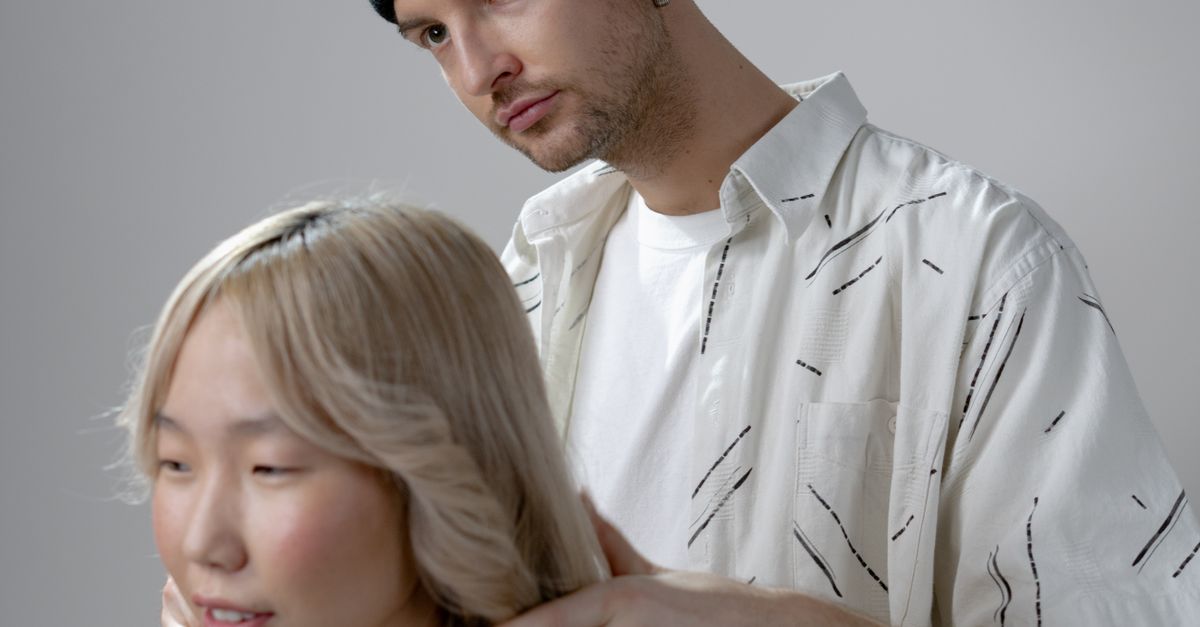
A personal stylist serves as a guide for individuals seeking to refine or overhaul their personal image through clothing and accessories. These professionals possess a deep understanding of fashion trends, color theory, and fabric types. They use their expertise to help clients make informed choices that reflect their personal tastes and align with their professional and social settings.
A key part of a personal stylist’s role involves carrying out an in-depth consultation to evaluate what the client needs, which typically includes reviewing the client’s existing wardrobe, talking through style objectives, and gaining insight into their day-to-day routines. For example, a busy professional might need a flexible set of outfits that shift smoothly from daytime to evening, whereas a creative entrepreneur could prefer striking, unconventional pieces designed to stand out.
Core Aspects of Personal Styling
At the core of personal styling are several key elements:
1. Color Analysis: Identifying the right color palette is crucial, as it enhances the individual’s natural features. Personal stylists use tools such as seasonal color analysis to categorize clients into ‘warm’ or ‘cool,’ selecting hues that harmonize with their skin tone, eye color, and hair.
2. Body Shape Understanding: Each body shape carries distinct traits, and effective styling focuses on enhancing them in appealing ways. Stylists guide clients in appreciating their specific body type—be it pear, apple, hourglass, or rectangle—and in selecting cuts and silhouettes that bring forward their most flattering qualities.
3. Lifestyle and Personality Alignment: A personal stylist crafts outfits that fit seamlessly into a client’s life and express their personality. For example, someone with an active lifestyle may prioritize comfort and functionality, while a person with an artistic flair might opt for eclectic and vibrant attire.
Benefits of Personal Styling
Personal styling offers numerous benefits that extend beyond looking chic and fashionable:
Boosting Confidence: When people present themselves well, their confidence naturally rises, and a carefully assembled wardrobe equips individuals with attire they are genuinely proud to wear.
Time and Cost Efficiency: By investing in the expertise of a personal stylist, clients avoid costly shopping mistakes. A well-planned wardrobe ensures that each piece is versatile and suitable for various occasions, saving both time and money in the long run.
Enhanced Professional Achievement: In the corporate sphere, initial impressions hold substantial influence, and presenting a refined appearance can meaningfully shape career prospects and guide interactions across professional circles.
The Future of Personal Styling
With the growing integration of technology in fashion, the future of personal styling looks promising. Virtual styling services and AI-based fashion advisors are becoming more prevalent, offering personalized recommendations from the comfort of one’s home. These technological advancements make personal styling accessible to a broader audience, further enhancing its appeal.
Moreover, sustainability is playing an increasing role in personal styling. Stylists are advocating for mindful consumption, encouraging clients to invest in quality pieces that last longer and are sourced responsibly. This shift aligns personal styling with broader global movements towards sustainability and ethical fashion.
Contemplating personal styling portrays it as both a craft and a discipline for presenting oneself to the world with poise and sincerity, extending far beyond clothing to embrace a holistic way of expressing individuality, nurturing self‑development, and moving through life’s diverse moments with elegance and assurance.