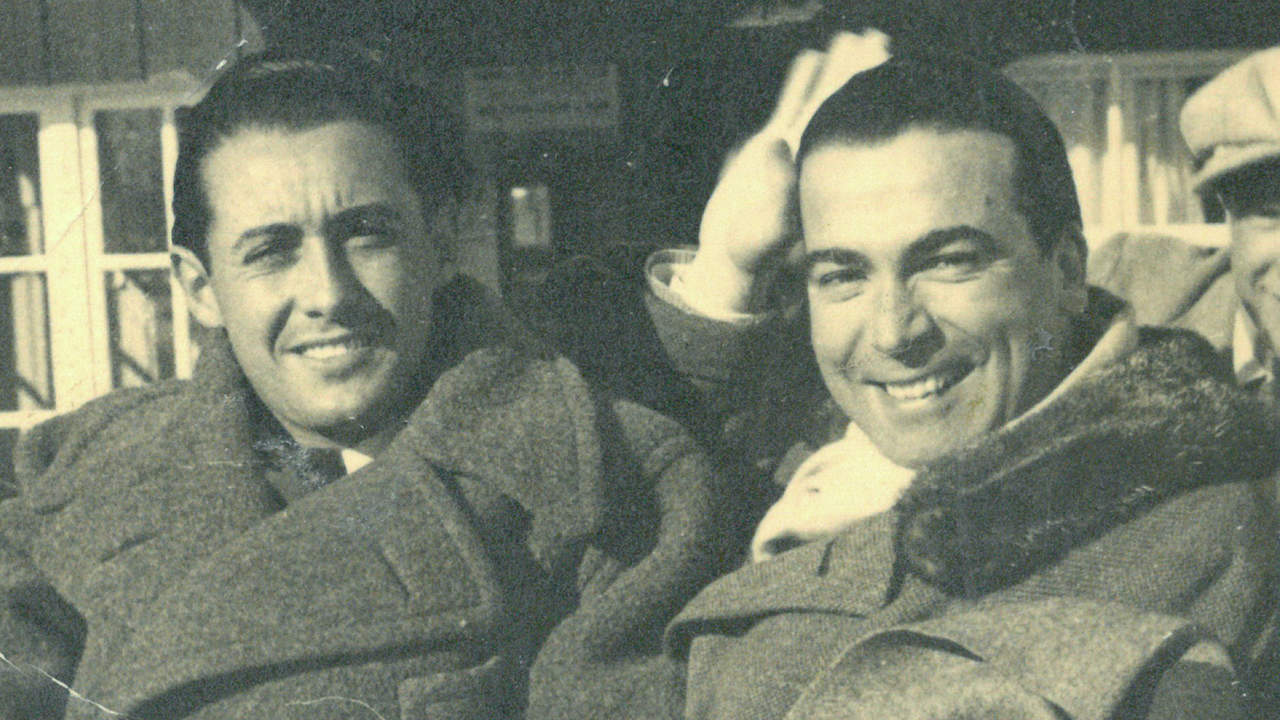
Cristóbal Balenciaga, famously hailed as “the master of us all” by Christian Dior, reshaped the trajectory of twentieth-century fashion in groundbreaking ways, leaving a lasting mark on modern creators whose methods, structural principles, and stylistic philosophies continue to reflect his legacy. Exploring the depth of his influence uncovers a story defined by precise experimentation, sculptural design sensibilities, and an unwavering commitment to flawless execution.
Architectural Construction and Form-Innovation
One of Balenciaga’s most notable influences on contemporary design lies in his almost architectural handling of garment construction. Rather than embracing the dominant 1950s hourglass figure, he introduced fresh silhouettes like the sack dress, the cocoon coat, and the balloon skirt. His inventions emphasized the dynamic interplay between fabric and space, resulting in pieces that appeared to hover or lift away from the body. Many designers today, including Rei Kawakubo of Comme des Garçons and Demna Gvasalia, current artistic director of Balenciaga, continue to draw substantial inspiration from his explorations of form, regularly citing his daring contours, sculpted volumes, and forward-thinking silhouettes.
Balenciaga’s fixation on structural purity drove him to reshape textiles in ways never previously attempted, relying on exacting fabric choices to bring his radical silhouettes to life. He frequently worked hand in hand with textile manufacturers to develop materials robust enough to sustain the designs he imagined. This craft-focused method of manipulating fabric resonates in the collections of contemporary designers such as Alexander McQueen, Hussein Chalayan, and Phoebe Philo, whose creations reveal a refined awareness of how cloth, shape, and the individual wearer interact.
Technique Mastery and Tailoring Excellence
Balenciaga was celebrated for exceptional technical expertise, commanding every stage of garment creation from pattern design to draping. He often relied on methods such as unlined pieces, garments shaped with minimal darts, hidden zippers, and smoothly integrated sleeve-heads, all of which required remarkable precision. This level of craftsmanship has established an aspirational benchmark for fashion houses across the globe. Nicolas Ghesquière, for instance, during his work at both Balenciaga and Louis Vuitton, has recognized Balenciaga’s impact, drawing on vintage tailoring practices and couture-grade finishing in his own collections.
Modern designers often reference Balenciaga’s focus on precise cut and fit, noting how his tailored jackets rested flawlessly at the neck before easing into a relaxed hemline, a notion echoed in today’s oversized outerwear. The uncompromising structural clarity he championed has encouraged generations to regard craftsmanship and construction as equally vital as aesthetics.
Minimalism, Deliberate Simplicity, and Abstract Expression
While Balenciaga could design opulent and elaborate garments, his mature work embraced minimalism and architectural purity. He eliminated superfluous decoration, letting cut and fabric carry the visual weight. This focus on restraint has fueled many of the twentieth and twenty-first century’s design movements, such as the minimalist fashion of Jil Sander and Calvin Klein. Phoebe Philo’s Celine exemplified this minimalist ethos, often with direct nods to Balenciaga’s elusive, enigmatic simplicity.
Balenciaga’s inclination toward abstraction, such as stripping away explicit bodily references, encouraged designers to reconsider garments as standalone objects or structural forms, a perspective echoed in the work of contemporary creators like Yohji Yamamoto and Martin Margiela, who use abstraction to probe fresh ideas about how body, clothing, and space intersect.
Revolutionizing the Fashion System
Beyond the garments themselves, Balenciaga revolutionized the way designers interact with their craft. He was one of the few couturiers who designed, cut, and constructed his own samples. His rigorous atelier standards set a new benchmark for creative involvement. This model has inspired designers to take a more hands-on role in the realization of their work, encouraging a return to atelier culture and a focus on artistic integrity even within today’s industrialized fashion system.
Balenciaga also challenged prevailing norms regarding seasonality and speed in fashion. He famously delayed collections until he felt they were perfect, sometimes only presenting one per season. This focus on thoughtful design over commercial considerations resonates in the slow fashion movement, as contemporary designers increasingly prioritize sustainability and innovation over relentless output.
Impact on Leading Contemporary Designers and Brands
The names of those inspired by Balenciaga read like a who’s who of fashion’s elite. Hubert de Givenchy was his protégée. Oscar de la Renta, André Courrèges, and Emanuel Ungaro apprenticed under him. Even Coco Chanel, not known for generosity, called him “the only true couturier.” His house continues to shape design under Demna Gvasalia, whose use of exaggerated pieces and ironical deconstruction pays tribute to the original master.
Current collections at many high-end and avant-garde labels continue to reference Balenciaga’s hallmarks—be it the cocoon sleeves, high-low hemlines, or the interplay of restraint and drama. His spirit is found in both the dramatic, sculptural creations on runways and in the practical, minimal cuts that define wearable luxury.
A Living Influence
Cristóbal Balenciaga’s legacy rests not only in his breathtaking garments but also in the creative dialogue he started—a continuous reimagining of what it means to dress the modern body. His insistence on innovation, technical mastery, and artistic vision blazed a path for designers to challenge norms, push technical boundaries, and prioritize integrity. Every time a modern designer subverts convention, reimagines tailoring, or elevates the art and architecture of dress, they engage in a conversation Balenciaga began—and which, through his enduring influence, the world continues to pursue.