Month: August 2026

Malaysia: CSR cases improving workplace safety and manufacturing sustainability

How Malaysian manufacturers leverage CSR to enhance safety and environmental responsibility

Overview: CSR shaping workplace safety and manufacturing sustainability in MalaysiaMalaysia’s manufacturing sector — accounting for roughly one-fifth to one-quarter of national output — has faced dual pressures over the past decade: maintain competitiveness while meeting rising expectations for worker safety and environmental responsibility. Corporate social responsibility (CSR) programs in Malaysia increasingly link human-centered workplace policies with greener manufacturing practices. This article reviews regulatory drivers, concrete corporate cases, measurable approaches, common tools, outcomes, and persistent challenges, illustrating how CSR is changing workplaces and factories across the country.Regulatory and market driversStrong regulatory frameworks and market incentives have pushed CSR from optional goodwill…
Read More
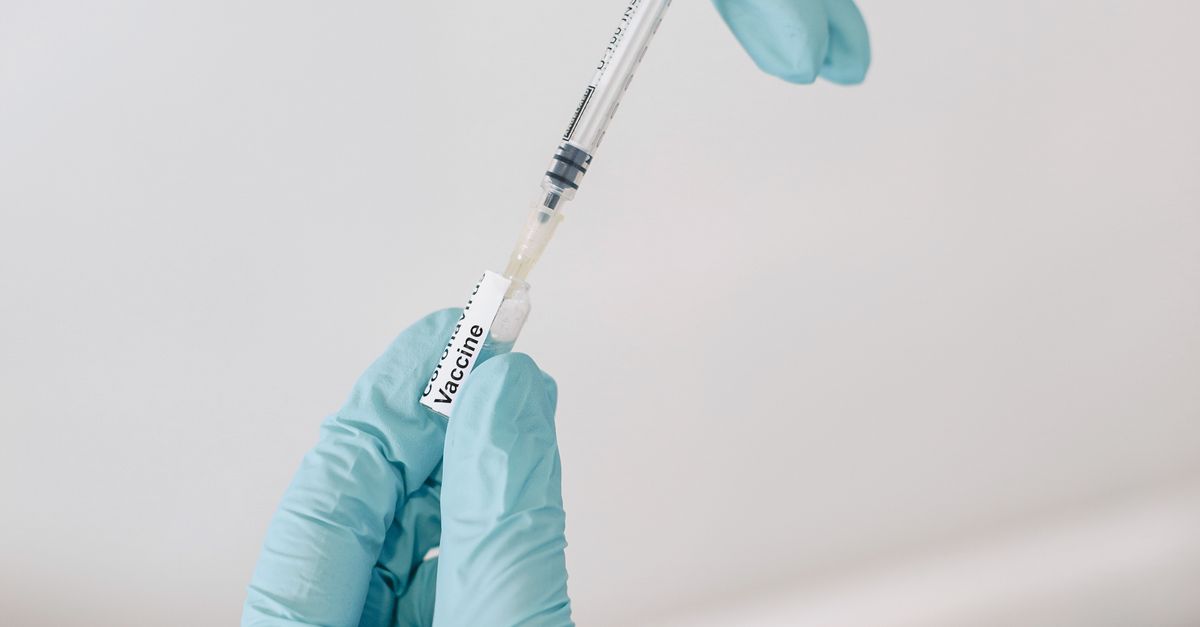
The 12 Vaccines That Saved the Most Lives in History

How immunization transformed global health and saved millions

Introduction: Vaccines as the Greatest Life-Saving InnovationVaccination is widely regarded as one of the most powerful public health achievements in human history. By training the immune system to recognize and fight infectious agents before exposure, vaccines have prevented countless illnesses, disabilities, and deaths. According to the World Health Organization, immunization currently prevents 4–5 million deaths every year. The following twelve vaccines stand out for the extraordinary number of lives they have saved, transforming global health and reshaping life expectancy across continents.1. Smallpox VaccineEstimated impact: Over 200 million lives saved in the 20th century alone.Smallpox was once one of humanity’s deadliest…
Read More
How are confidential computing and secure enclaves being adopted?

The rise of photonic computing and optical interconnects in artificial intelligence workloads

The computing industry is approaching physical and economic limits that traditional electronic technologies struggle to overcome. As data volumes explode, artificial intelligence workloads intensify, and energy efficiency becomes a central concern, photonic computing and optical interconnects are moving from research labs into commercial roadmaps. Their appeal lies in a simple but powerful idea: using light instead of electrons to process and move information.The Limits of Conventional Electronic ComputingFor decades, progress in computing followed predictable scaling trends, with smaller transistors delivering higher performance and lower cost. That trajectory has slowed due to several constraints:Power density and heat: Contemporary chips generate massive…
Read More
How are climate models and satellite data improving extreme-weather forecasting?

Using climate models to understand the rise of extreme weather events

Why Extreme-Weather Forecasting Matters More Than EverExtreme weather events like heat waves, floods, hurricanes, wildfires, and droughts are growing more frequent and intense as the climate warms. Saving lives, safeguarding infrastructure, and directing emergency responses depend heavily on precise and prompt forecasts. Driven by breakthroughs in climate models and an explosion in satellite data, forecasting capabilities have advanced significantly over the last twenty years. Combined, these instruments are reshaping the way scientists spot, anticipate, and convey the dangers of severe weather.Contemporary Climate Models: Transitioning from Broad Averages to Granular PrecisionClimate models act as computer simulations designed to capture the physical,…
Read More