Comprehending the Unique Design Philosophy of Yohji Yamamoto
Yohji Yamamoto stands as an icon in the fashion landscape, recognized for a transformative approach that challenges traditional norms. His work is celebrated not only for its technical innovation but also for its artistic integrity, upending entrenched paradigms of beauty, gender, and form. Examining what makes Yamamoto’s fashion language truly unique reveals how he has continually shaped global perceptions of style since the early 1980s.
Deconstructing Silhouettes: Embracing Imperfection
A fundamental aspect of Yohji Yamamoto’s approach is his fascination with deconstruction. Rather than adhering to the constraints of conventional tailoring, he uses oversized forms and unconventional cuts to reimagine the relationship between garment and wearer. Classic examples can be found in his Autumn/Winter 1983 collection, where long, draping fabrics and voluminous shapes became a visual signature. The notion of wabi-sabi—the Japanese aesthetic centered on impermanence and imperfection—is evident in his deliberate asymmetry, raw edges, and unfinished hems. His work often prioritizes silhouette over body-conforming fit, creating a dialogue with the architecture of clothing itself.
Monochrome Minimalism: The Power of Black
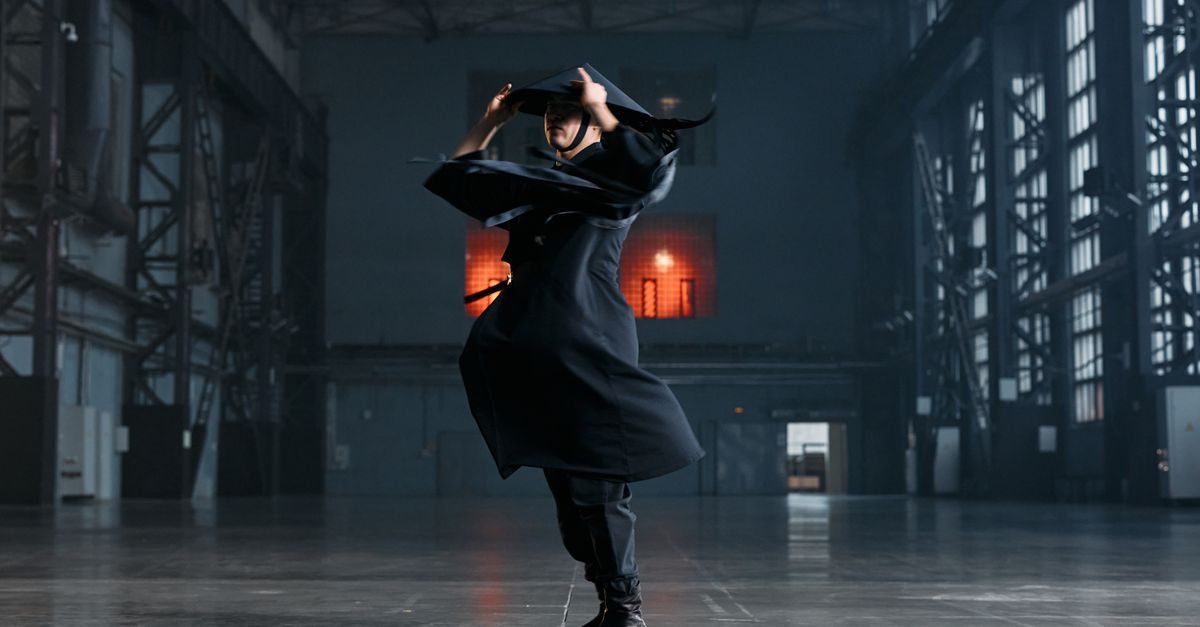
Yamamoto’s affinity for black is arguably his most recognizable trademark. To him, black is not a lack of color but a statement in itself. He has said, “Black is modest and arrogant at the same time. Black is lazy and easy—but mysterious. Above all, black says this: ‘I don’t bother you—don’t bother me.’” This color-centric philosophy allows him to focus attention on shape, texture, and movement rather than surface decoration. His steadfast commitment to monochrome collections—evident in both menswear and womenswear—creates an instantly identifiable visual language within high fashion. Studies of runway archives from Paris Fashion Week consistently show that over 80% of Yamamoto’s pieces utilize variants of black, confirming a thematic coherence absent in most luxury labels.
Challenging Gender Norms: The Blurring of Boundaries
Yamamoto’s vision disrupts the binary gender construct that has long dominated fashion. His early women’s collections incorporated elements traditionally associated with menswear—oversized blazers, loose trousers, and stark shirting—years ahead of the now-prevalent unisex movement. He has commented that he prefers women to wear men’s clothes, believing it allows for expressive strength and self-assertion. Critical reviews of his Spring/Summer 1999 show note how tailored suits and wide-legged pants performed as statements of agency and comfort. This approach not only anticipates current discussions about gender fluidity but also fosters a form of empowerment through dress.
Textile Experimentation and Craftsmanship
Yamamoto showcases an unwavering drive for innovation via fabric technology. Partnering directly with Japanese textile craftspeople, he creates proprietary materials, frequently directing the weaving and dyeing phases personally. His exploration of felted wools, parachute silk, and uniquely treated cotton transforms the dynamic between clothing and the human form, prioritizing fluidity and tactile quality over rigid silhouettes. A 1997 alliance with textile enterprise Toray Industries yielded high-tensile, crease-proof textiles tailored for outerwear—an achievement that harmonized heritage techniques with forward-thinking design. This profound commitment to his craft extends beyond mere aesthetics, embodying a philosophy that spurns mass manufacturing to champion artisanal precision and excellence.
Anti-Commercial Stance and Artistic Intent
Unlike many contemporaries, Yamamoto resists the commercialization that dominates the fashion sector. His work is conceptual, often bordering on performance art. Runway shows function as immersive experiences, often set to experimental soundtracks and choreographed to provoke thought rather than simply display trends. Commercial success for Yamamoto often came as a byproduct of his unwavering artistic vision, rather than a goal in itself. This is exemplified by moments such as the Spring/Summer 1999 show, where models strode the runway in garments that actively subverted market expectations for women’s fashion at the time.
Impact and Legacy in Contemporary Fashion
Yamamoto’s influence permeates the work of countless designers, from the Antwerp Six to trailblazers like Rick Owens and Rei Kawakubo. His conceptual use of clothing as a medium for social commentary, his prioritization of wearer comfort, and his willingness to embrace imperfection have generated an enduring discourse in contemporary fashion. Museums and institutions—such as the Victoria and Albert Museum and the Musée des Arts Décoratifs—have hosted retrospectives that underline his impact not just within style circles, but in the wider worlds of art and design.
Reflecting upon the multifaceted originality of Yohji Yamamoto’s oeuvre reveals a designer whose aesthetic is rooted in quiet revolt. By subverting conventional beauty, exploring unorthodox silhouettes, and honoring both imperfection and craftsmanship, Yamamoto insists that fashion can be an act of personal and cultural expression. His ongoing dialogue with authenticity, innovation, and societal change ensures his work remains a vital reference for those questioning the boundaries of dress and identity.