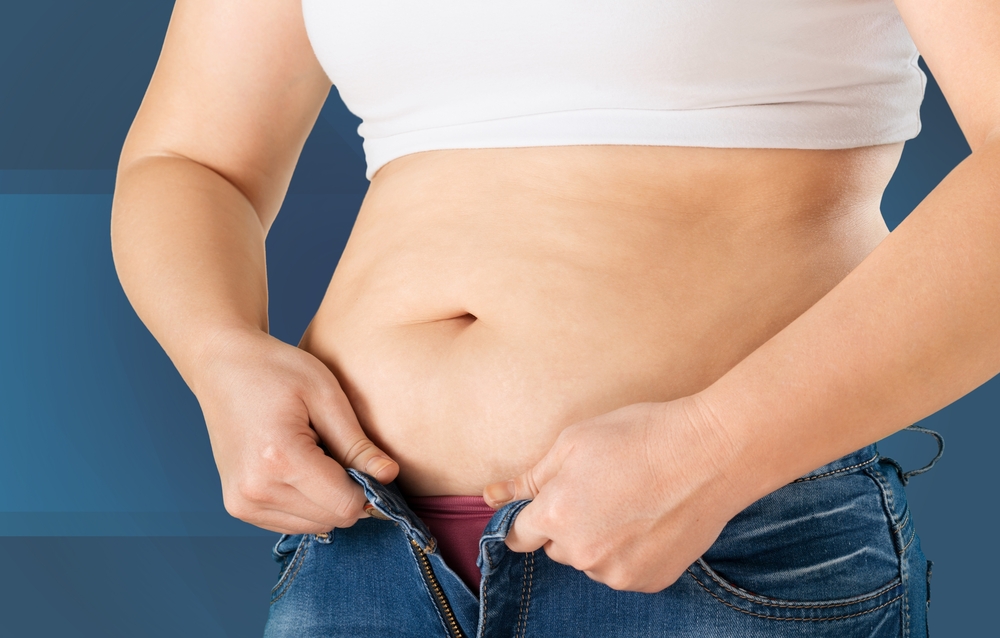
What is Water Retention?
Fluid buildup, also referred to as fluid accumulation or edema, is a situation where surplus liquids gather in the body’s bloodstream, tissues, or spaces. It can impact different areas of the body, such as the legs, ankles, hands, and abdomen, causing swelling and unease. Comprehending fluid retention includes investigating its causes, indicators, and possible treatments, which may differ considerably based on the underlying factors.
Causes of Water Retention
Several conditions and lifestyle choices can lead to water retention. One common factor is diet. High salt intake can cause the body to retain water, as sodium influences the body’s fluid balance. Additionally, insufficient protein or vitamin B1 intake can also contribute to this condition. Hormonal changes, such as those experienced during pregnancy or menstruation, can lead to temporary water retention due to fluctuations in estrogen and progesterone levels.
Medical conditions like heart failure, kidney disease, and liver cirrhosis are more severe causes of water retention. These conditions impair the body’s natural fluid balance mechanisms. For instance, when the heart is unable to pump blood effectively, fluid can build up in the limbs and abdomen. Medications such as certain blood pressure drugs, anti-inflammatory medications, and steroids can also cause or exacerbate fluid retention.
Symptoms of Water Retention
Symptoms of water retention include swelling in the affected areas, a feeling of heaviness, skin that retains a dimple after being pressed (known as pitting edema), and joint stiffness. In severe cases, it may lead to weight fluctuations and bloating. People may also notice an increase in abdominal girth or find that their clothing and accessories feel tighter than usual.
Another significant sign is having difficulty breathing, especially if liquid gathers in the lungs, a situation referred to as pulmonary edema. This sign demands prompt medical care, as it can be a serious danger to life.
Diagnosis of Water Retention
The process of identifying fluid retention begins with a comprehensive review of the patient’s medical history and a physical examination. Physicians might ask questions regarding the individual’s diet, everyday habits, and medications they are taking. Diagnostic tests, including blood screenings to detect any imbalances in electrolytes, assessments of kidney functionality, and urine tests, provide valuable clues about potential reasons. Imaging techniques, such as ultrasound or X-ray scans, may be required to pinpoint the location of fluid buildup in particular regions.
Therapy and Administration
Therapeutic methods for managing water retention vary greatly depending on its origin. If due to dietary reasons, changes in lifestyle like cutting back on salt, boosting potassium consumption through fruits and vegetables, and staying well-hydrated can be beneficial. Consistent physical activity and raising the swollen limbs can also reduce the swelling.
For those with medical conditions contributing to fluid retention, medications like diuretics may be prescribed to help the body expel excess fluid. However, it’s crucial to use diuretics under medical supervision, as they can cause dehydration and electrolyte imbalances if misused.
In cases where medication side effects cause water retention, healthcare providers might adjust the medication dosing or switch to an alternative treatment.
Insights on Prevention
Preventing water retention involves maintaining a balanced diet, staying hydrated, and keeping active. Regular check-ups with healthcare providers ensure underlying conditions are managed appropriately. Understanding the significant role lifestyle choices play can empower individuals to make informed decisions to manage their health effectively.
Analyzing the body’s mechanisms, how the body retains water demonstrates the intricate balance our systems uphold every day. The various methods for identifying, controlling, and avoiding fluid buildup highlight both the intricate nature of human health and the straightforwardness of lifestyle decisions that promote well-being.