

Ongoing discussions between Israel and South Sudan have brought to light the possibility of a large-scale population resettlement plan for Palestinians from Gaza. This proposal, still in its early stages, is being framed as a potential solution to the immense humanitarian crisis unfolding in the region. The exploratory talks are a testament to the complex geopolitical challenges and the urgent need for long-term strategies to address the immense displacement of civilians. This highly controversial idea, while possibly a diplomatic effort to find new partnerships, faces a myriad of political and logistical hurdles.
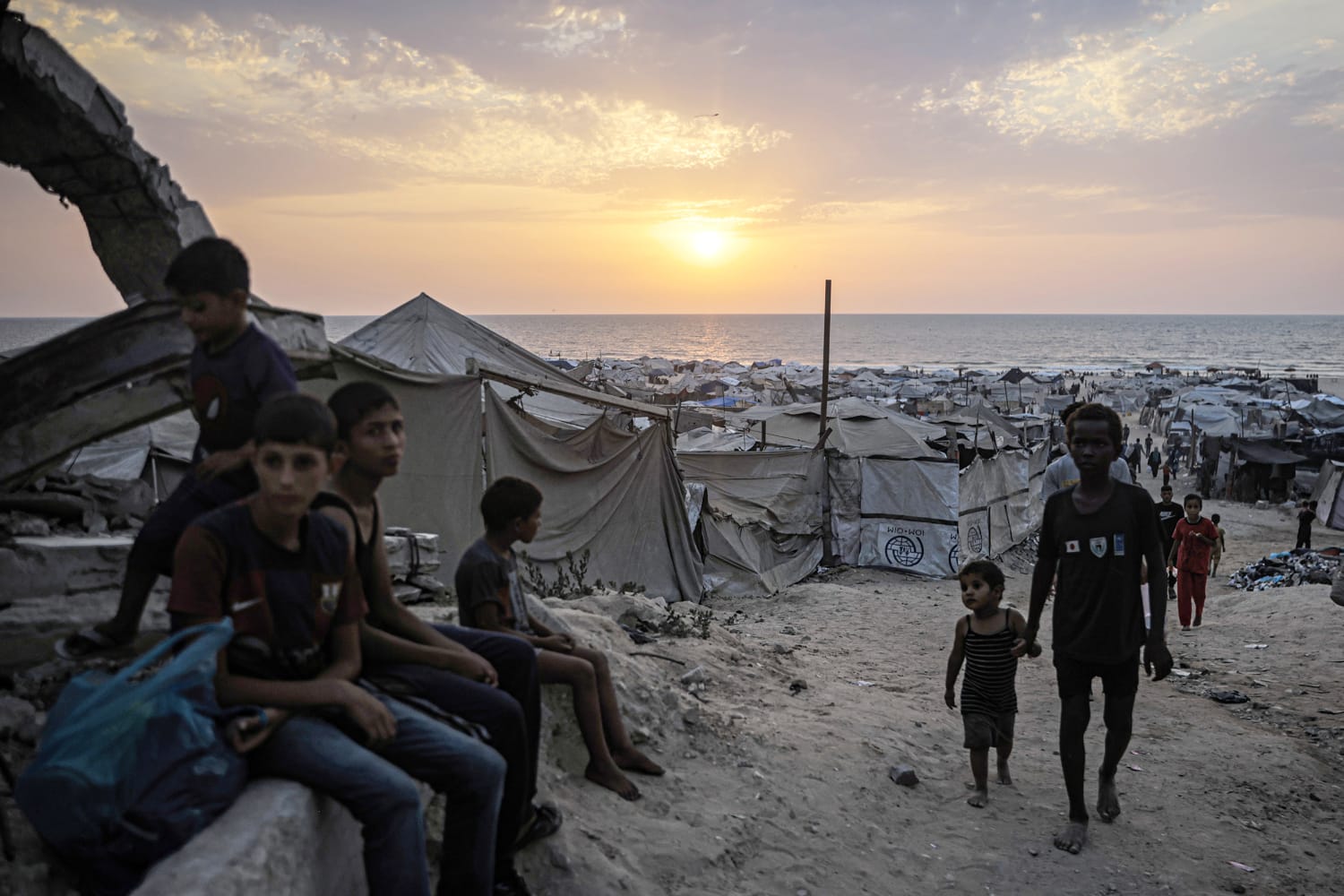
The context for these discussions is the catastrophic humanitarian situation in Gaza, where a vast majority of the population has been displaced by ongoing conflict. The widespread destruction of homes and infrastructure has left millions without a place to return to, creating an unprecedented need for a long-term plan. This dire reality has led some, including elements within the Israeli government, to explore options beyond the immediate post-conflict recovery, viewing resettlement as a possible permanent solution to the humanitarian and security challenges.
South Sudan’s involvement in these discussions is especially significant. As a relatively new country, it faces numerous internal issues, such as a background of civil strife and humanitarian emergencies. The nation’s extensive, lightly populated territory could potentially support a significant population. Moreover, as South Sudan aims to enhance its diplomatic connections and attract foreign investment, it might regard this as a chance to establish a fresh alliance with Israel, a bond that has been progressing in recent times. This strategic interest presents a possible diplomatic opportunity for the negotiations.
From the viewpoint of Israel, the suggestion is depicted as a way to address the humanitarian issue while guaranteeing enduring security. The contention is that relocating a large number of people could avert the possibility of them becoming influenced by extremist views, thus promoting a more stable and secure future for Israel. Although this stance has been advocated by some political groups, it has also faced considerable opposition from numerous individuals domestically and globally.
The notion of relocation, nevertheless, encounters strong resistance from the Palestinian community. This idea is largely perceived as an act of involuntary migration, a breach of international norms, and a rejection of the essential right to return. For numerous Palestinians, their bond with their homeland is integral to their sense of self, and any proposal attempting to break that connection is unacceptable. This view is grounded in years of historical displacement and the firmly held conviction that a fair and enduring peace must incorporate the right for Palestinians to go back to their residences.
The international community’s reaction to such a plan would likely be one of condemnation. Numerous international laws and conventions prohibit the forced or coerced movement of civilian populations. The United Nations and other global bodies would almost certainly oppose a plan that does not prioritize the voluntary return of refugees to their homes. The proposal would be seen as setting a dangerous precedent, undermining the very principles of international humanitarian law that protect displaced populations.
Beyond the hurdles both politically and legally, the logistical difficulties involved in relocating such a large number of people are immense. Organizing a huge international initiative to finance and construct essential infrastructure—like homes, medical facilities, educational institutions, and transportation systems—for a new community of possibly hundreds of thousands or even millions, would be necessary. The monetary burden would be enormous, necessitating a worldwide alliance of contributors and a degree of collaboration that appears improbable considering today’s geopolitical situation.
The feasibility of this plan is therefore highly questionable. While the discussions themselves may be a political tool or a way to float a radical idea, the practical implementation seems nearly impossible. The immense opposition from the Palestinian people, the likely condemnation from the international community, and the sheer logistical and financial hurdles make this an extremely low-probability scenario. It is more likely to remain a topic of diplomatic exploration than a concrete plan for action.
The discussions involving Israel and South Sudan emphasize the critical necessity for a sustainable, enduring resolution for the residents of Gaza. Although this relocation plan is surrounded by debate and confronts immense challenges, it reflects the urgency to resolve a persistent issue. The destiny of Gaza’s inhabitants is still unclear, and as talks proceed, the primary concern for the global community is expected to stay on delivering urgent humanitarian support and developing a political resolution that honors the dignity and rights of everyone impacted by the conflict.



