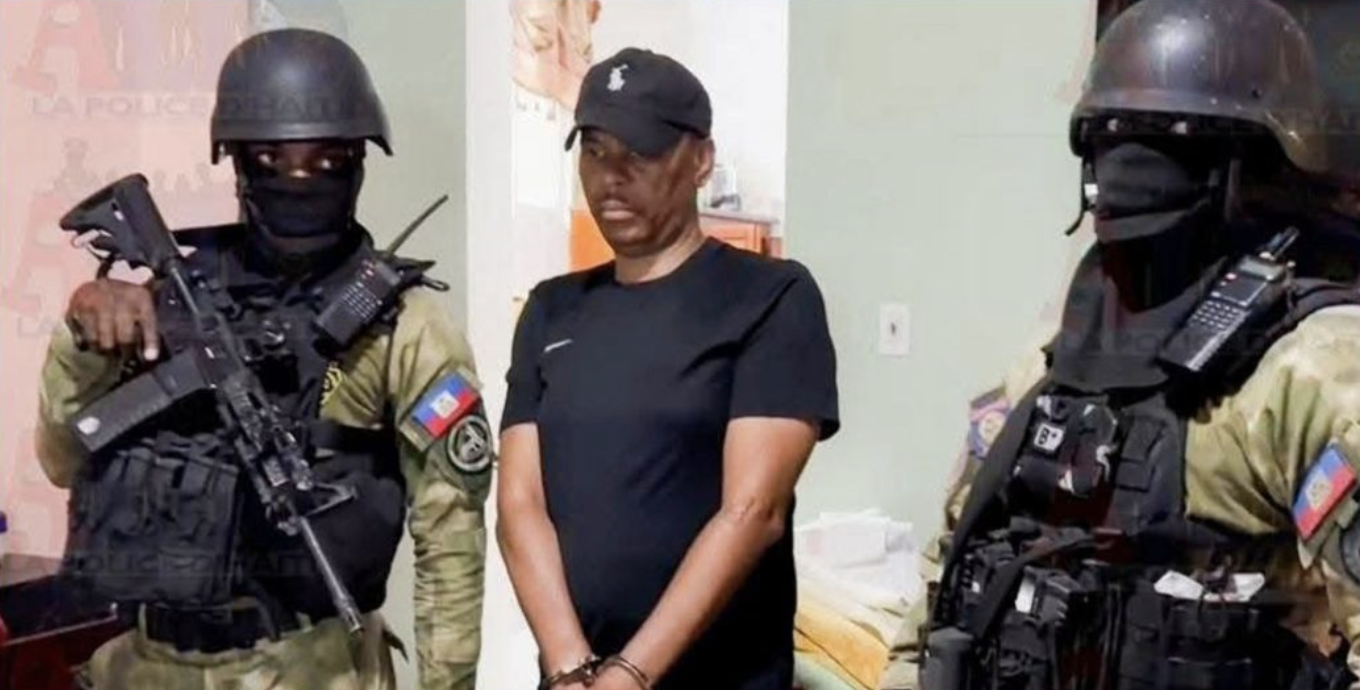
Authorities in Haiti have arrested a former senator who is accused of collaborating with armed groups in orchestrating a violent attack on a civilian population. The arrest marks a significant development in the country’s ongoing efforts to dismantle entrenched alliances between political figures and criminal networks, a relationship that has long fueled instability and insecurity across the nation.
According to official statements from the Haitian National Police, the former senator is believed to have played a direct role in coordinating an armed offensive against a peaceful community earlier this year. The operation, carried out by gang-affiliated individuals, resulted in widespread violence, property destruction, and forced displacement of residents. Authorities allege that the former lawmaker provided logistical and strategic support to the attackers, deepening concerns over the extent to which political figures may be enabling or facilitating criminal activity.
This high-profile arrest has drawn national and international attention, shedding new light on the deteriorating security situation in Haiti and the complex interplay between power, crime, and governance.
Haiti has experienced a lengthy span of political turmoil and social disorder, intensified by the emergence of heavily armed gangs dominating substantial areas in and around the capital, Port-au-Prince. These organizations, frequently better armed than the national police, have engaged in kidnappings, extortion, and assaults on communities with growing regularity and impunity.
The justice system has struggled to hold perpetrators accountable, in part due to limited resources and widespread corruption. Accusations of collusion between politicians and gang leaders have persisted for years, though evidence is often difficult to obtain due to threats, fear of retaliation, and a lack of transparency in legal proceedings.
The latest detention marks an uncommon instance of responsibility, sparking optimism among certain residents and community groups that change might be on the horizon—yet some continue to doubt, considering Haiti’s past of allowing influential individuals to avoid consequences.
The community targeted in the attack is located in an area that has experienced repeated violence and displacement as gangs vie for control of strategic zones. Eyewitnesses and human rights observers described the assault as deliberate and well-coordinated, with assailants using high-caliber weapons and setting fire to homes and businesses.
Many families had to escape, and numerous people were mentioned as hurt or dead during the event. The affected, who had mostly already been displaced due to gang-related aggression, reportedly were unprepared for the magnitude and ferocity of the attack.
The Haitian National Police stated that evidence, including intercepted communications and eyewitness accounts, links the former senator to the planning and execution of the attack. Officials claim that he used his political connections to secure safe passage for armed individuals and offered logistical support such as transportation and tactical guidance.
Noticias sobre el arresto han generado debate en todo el país. Algunos líderes políticos han aplaudido la medida como un avance hacia la restauración de la ley y el orden, mientras que otros han instado a la cautela, destacando la importancia del debido proceso y la necesidad de contar con pruebas contundentes para respaldar acusaciones tan graves.
In the streets of Port-au-Prince and other urban centers, public reactions have been mixed. Some residents see the arrest as a long-overdue measure to confront political complicity in organized crime. Others express doubts about whether justice will truly be served, citing past cases in which high-ranking individuals were arrested but never faced trial or conviction.
Human rights organizations in Haiti and abroad have called for a transparent legal process and protections for witnesses who may testify against the former senator. They warn that without meaningful accountability, the arrest could become another symbolic gesture rather than a catalyst for systemic reform.
El caso resalta los problemas profundamente arraigados que enfrentan las instituciones de Haití. Durante años, los analistas han advertido que la gobernanza democrática en el país está debilitada por la nebulosa separación entre el cargo público y los intereses privados criminales. Las pandillas no solo mantienen un control territorial, sino que también influyen en las elecciones, intimidan a los opositores políticos y actúan como ejecutores para facciones rivales.
Successive administrations have promised to sever these connections, yet advancement has been gradual. Law enforcement and armed forces frequently lack the necessary training, resources, and governmental support required to confront formidable criminal groups—especially when these groups are shielded by political allies.
In this context, the arrest of a former senator accused of aiding such groups is both a test and an opportunity. If handled properly, it could serve as a deterrent to others in positions of authority and signal a renewed commitment to the rule of law. However, if the case falters due to lack of evidence, procedural errors, or political interference, it may further erode public trust.
The scenario has also sparked new appeals for global aid to support Haiti in reconstructing its judicial and security systems. The United Nations and various regional organizations have voiced their worries about the increasing influence of gangs and the government’s failure to ensure civilian safety or carry out reliable inquiries.
Some global analysts have suggested specific sanctions on people associated with misconduct or unrest, such as restricting travel and freezing assets. Meanwhile, others call for increased assistance to organizations in civil society and independent media, which are vital in recording violations and ensuring accountability for leaders.
At the same time, there is growing consensus that long-term solutions must come from within Haiti itself. Structural reforms in governance, policing, and the judiciary are essential for any lasting change. This includes strengthening institutions, depoliticizing law enforcement, and ensuring that legal processes are transparent and accessible.
As the lawsuit involving the ex-senator progresses, focus will shift to the ability of Haiti’s judiciary to manage this prominent and politically charged case. Specialists in law caution that the validity of the inquiry will rely on the prosecutors’ capacity to operate independently and free from pressure.
There is also the issue of whether the ex-senator acted independently or was involved with a larger group. It is said that investigators are examining potential connections with other political personalities, along with financial associations that could uncover how criminal organizations receive support and financing.
Whether the case concludes with a conviction or is dismissed, it will probably affect the public’s view of how dedicated the state is to combating corruption and impunity.
La detención de un exsenador haitiano bajo acusaciones de trabajar junto a bandas en un ataque contra una comunidad pacífica señala un momento crucial en la lucha del país contra la violencia organizada y la corrupción política. Aunque algunos han recibido esta acción como un indicio de avance, el verdadero efecto dependerá de la integridad del proceso judicial y de la disposición de los líderes de Haití para abordar los problemas más profundos que están en juego.
In a nation where justice has often remained elusive for victims of violence and corruption, this case offers a critical opportunity to demonstrate that no one is above the law. Whether it will serve as a turning point or another fleeting headline remains to be seen—but for many in Haiti, the hope is that accountability, however delayed, is finally within reach.