How to Ensure a Nutritious Diet for Kids?
A nutritious diet for kids is a crucial part of their healthy growth and maturation. It comprises a variety of food categories in the right amounts, providing the vital nutrients that young bodies need during their developmental years. Focusing on nutritional needs during childhood can build a base for long-term health and well-being.
Comprehending Dietary Requirements
Children’s nutritional requirements differ from adults due to their ongoing growth and development. Their bodies need more vitamins, minerals, energy, and adequate hydration. The main components of a balanced diet for children include carbohydrates, proteins, fats, vitamins, minerals, and water. Each plays a crucial role in supporting dynamic processes such as bone development, immune function, and cognitive growth.
1. **Carbohydrates:** Critical for energy, carbohydrates should comprise about 45-65% of a child’s diet. Sources like whole grains, fruits, and vegetables provide both energy and fiber, aiding in digestion and maintaining glycemic levels.
2. **Proteins:** Proteins are pivotal for tissue repair and growth. Children should consume lean meats, poultry, fish, eggs, beans, and nuts, ensuring they’re getting adequate amino acids necessary for muscle development and metabolic functions.
3. **Fats:** Beneficial fats, contrary to common misunderstandings, are essential. Making up roughly 25-35% of everyday consumption, polyunsaturated and monounsaturated fats present in nuts, seeds, and fish aid in brain growth and assist with the absorption of fat-soluble vitamins such as A, D, E, and K.
4. **Vitamins and Minerals:** A varied diet makes sure that kids receive adequate vitamins and minerals. Calcium is important for strong bones, iron is essential for creating blood cells and brain development, and vitamins like A, C, and E contribute to immune function and maintaining healthy skin.
Creating a Balanced Plate
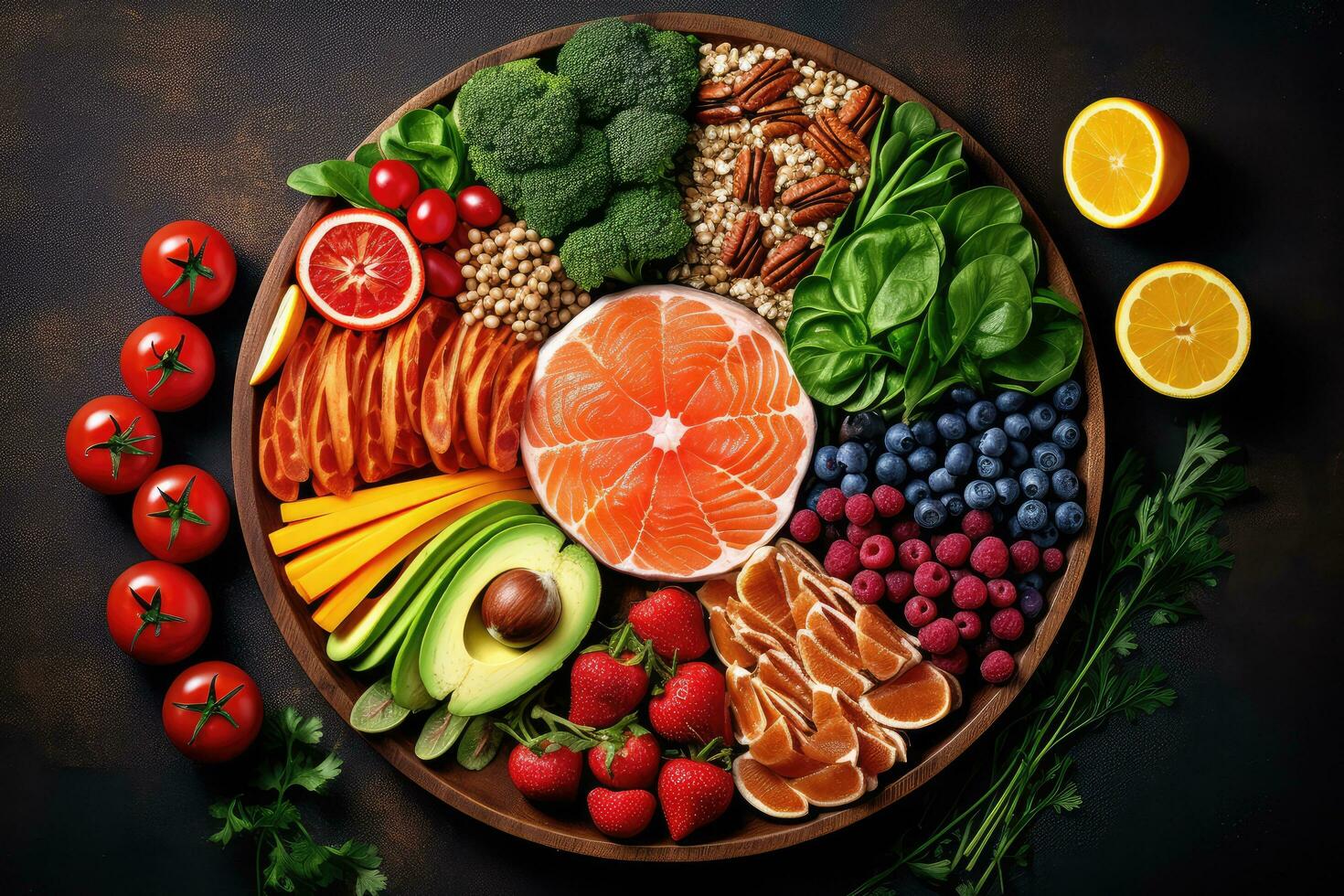
A well-rounded diet can be represented by a divided plate. One half should consist of fruits and vegetables, providing a variety of vitamins, minerals, and antioxidants. One-fourth should consist of grains, preferably whole grains such as oats, brown rice, and whole wheat bread. The last section should be for proteins. To ensure adequate calcium intake, include dairy products or their alternatives.
Practical Tips and Strategies
– **Incorporate Variety:** Offering a range of foods ensures a broad spectrum of nutrients. Rotate fruits, vegetables, and protein sources regularly to prevent nutritional gaps.
– **Set a Good Example for Healthy Decisions:** Kids frequently imitate grown-ups. Showing a well-rounded diet and talking about its positive effects promotes healthy routines.
– **Limit Sugary and Processed Foods:** Such foods can contribute to excessive calorie consumption without nutritional benefits. Establishing an occasional treat policy can help manage intake.
– **Include Kids in Food Planning:** Motivating children to take part in shopping for groceries or assisting with cooking helps develop an interest in meals and nutrition, increasing the chances they will choose healthy options.
Thoughtful Summary
Designing a balanced diet for children is a dynamic process that aligns with their growth phases. Focusing on nutrient-dense food options, understanding proportional plate structures, and promoting engaging, family-oriented approaches to meal planning all contribute to developing a positive food environment. As children learn and adapt these healthy behaviors, they lay the groundwork for a healthier future, where mindful food choices become second nature. By integrating these elements, we pave the way for the next generation to thrive both physically and cognitively, taking full advantage of their developmental potential.