1. Wrestling: A Sport That Predates Written Records
Estimated origins: Prehistoric era, at least 15,000 years ago
Wrestling is widely regarded as the world’s oldest organized sport. Cave paintings discovered in France depict grappling figures, suggesting that structured combat existed long before recorded history. Ancient civilizations in Egypt, Mesopotamia, Greece, and India all formalized wrestling as both training for warfare and public entertainment.
By 708 BCE, wrestling was introduced into the ancient Olympic Games in Greece. Over time, regional styles evolved into codified systems such as Greco-Roman and freestyle wrestling. Today, wrestling remains an Olympic sport and is practiced competitively in over 180 countries. Its endurance lies in its simplicity: two competitors, no equipment, and rules centered on strength, balance, and technique.
2. Running: The Foundation of Competitive Sport
Estimated origins: Prehistoric survival activity; formal competition by 776 BCE
Running was essential to early human survival, but it became a formal sport during the first recorded Olympic Games in 776 BCE. The earliest Olympic event was the stadion race, a sprint of approximately 190 meters.
Across cultures, running competitions marked religious festivals, military training, and communal celebrations. Indigenous societies across Africa and the Americas maintained endurance traditions that shaped modern distance running. Today, global events such as marathons attract millions of participants annually, with major races generating hundreds of millions in economic impact.
Running’s universality, minimal equipment requirements, and measurable performance metrics have allowed it to remain continuously relevant for thousands of years.
3. Archery: Precision Across Millennia
Estimated origins: Around 10,000 BCE
Archery originated as a hunting and warfare skill, but competitive target shooting emerged in ancient civilizations including China, Egypt, and Persia. Historical records from China’s Zhou Dynasty describe organized archery contests with ceremonial and ranking systems.
Archery evolved into a prominent medieval sport throughout Europe, supported by compulsory training legislation in England during the 1300s and 1400s. Currently, international bodies regulate the discipline, and it remains a staple of the modern Olympic Games. Although technological innovations have continuously enhanced gear, the fundamental goal—accuracy under pressure—persists without alteration.
4. Polo: The Sport of Kings
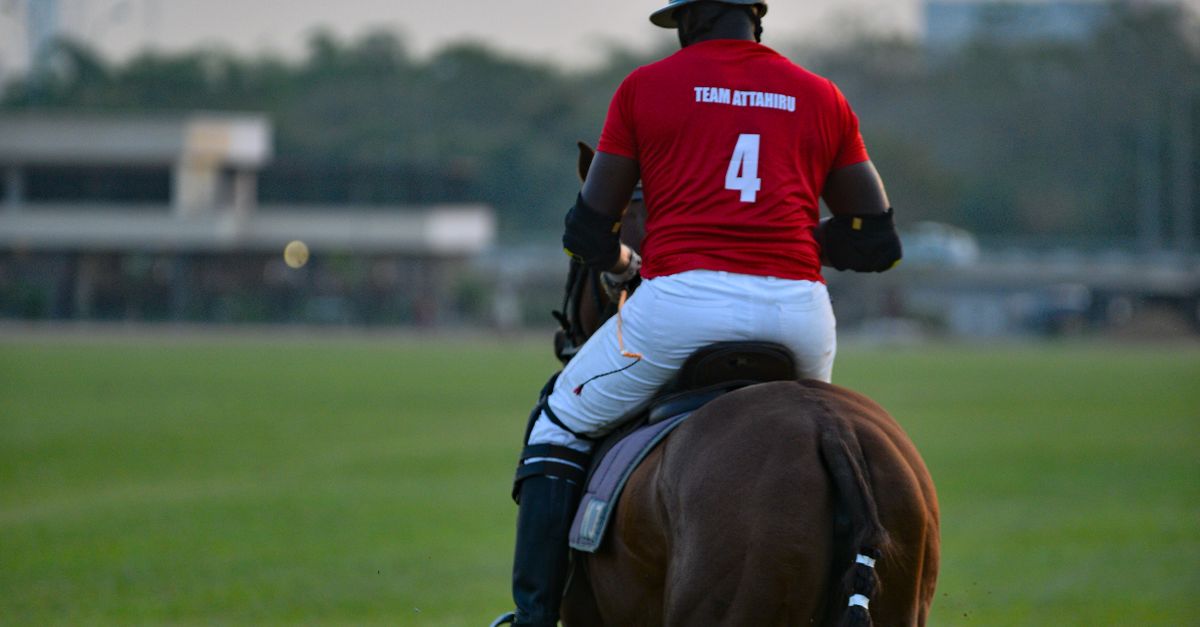
Estimated origins: Around 6th century BCE Polo started as a cavalry training drill throughout Central Asia. By the 6th century BCE, the game had evolved into a popular competitive team sport across Persia. Subsequently, it made its way eastward into China while also moving westward toward the Mediterranean, frequently enjoying the patronage of royalty.
The British formalized modern rules in the 19th century, helping transform polo into an internationally regulated sport. Today, major tournaments in Argentina, the United Kingdom, and the United States maintain traditions that date back over 2,500 years. Polo’s survival is tied to its association with elite culture, equestrian skill, and enduring pageantry.
5. Boxing: Structured Combat Through the Ages
Estimated origins: At least 3,000 BCE
Reliefs from ancient Sumer depict fighters wearing protective wraps, indicating organized fist-fighting contests. Boxing entered the ancient Olympic Games in 688 BCE and evolved under Roman rule.
After periods of decline, prizefighting resurfaced in 17th-century England, leading to codified rules such as the Queensberry Rules in the 19th century. Modern professional boxing is a global industry worth billions annually, while amateur boxing remains central to international competition.
The sport’s persistence reflects its raw appeal: individual confrontation governed by evolving but consistent principles of timed rounds and regulated strikes.
6. Javelin Throw: From Battlefield to Stadium
Estimated origins: Ancient Greece, at least 708 BCE
Originally a weapon for hunting and warfare, the javelin became an athletic event in the ancient pentathlon. Competitors were judged on both distance and accuracy.
Revived in the modern Olympic Games in 1908, the javelin throw remains a staple of track and field. Technical innovations in equipment design have improved safety and performance consistency, yet the essence of projecting a spear-like object as far as possible remains unchanged.
Its longevity proves how combat techniques evolved into structured sporting rules.
7. Equestrian Racing: Velocity and Pageantry
Estimated origins: Around 1500 BCE
Archaeological evidence shows organized chariot and mounted races in ancient Egypt, Greece, Rome, and China. Roman chariot racing, held in massive stadiums such as the Circus Maximus, drew crowds exceeding 150,000 spectators.
Modern thoroughbred racing developed in 17th- and 18th-century Britain, with formal breeding records and standardized race formats. Today, major events such as premier international derbies command global audiences and substantial wagering markets.
Horse racing’s continuity stems from humanity’s longstanding partnership with horses and the spectacle of controlled speed.
8. Sumo Wrestling: Ritual and Strength Combined
Estimated origins: Dating back over 1,500 years, sumo wrestling emerged in Japan out of ceremonial rites linked to agrarian celebrations. Historical accounts document structured matches during the early centuries of the first millennium.
Unlike many ancient sports that underwent radical transformation, sumo retains much of its traditional structure:
- Ritual purification ceremonies before matches
- Distinctive attire and ranking hierarchies
- Contests settled by driving a rival outside a circular ring
Professional sumo tournaments continue to draw significant audiences, blending sport, ritual, and cultural preservation in a way few traditions have maintained so intact.
The Enduring Power of Athletic Tradition
Throughout continents and civilizations, these eight athletic customs unveil shared threads: physical rivalry, formalized regulations, public spectacle, and cultural identity. Although gear, guidelines, and worldwide impact have shifted, the fundamental drives fueling these pursuits stay remarkably constant.
They demonstrate that sport is not a modern invention but a foundational human expression—linking prehistoric survival skills, ancient ritual, and contemporary global entertainment. Their survival is less about nostalgia and more about adaptability: each has absorbed social change, technological progress, and shifting audiences while preserving an essential competitive spirit. In their continued practice, humanity sustains a living bridge between its earliest communities and its present ambitions.