Month: September 2026

Best practices for performing due diligence on alternative investment funds

Best practices for performing due diligence on alternative investment funds

Understanding Due Diligence in Alternative Investment FundsAlternative investment funds, including private equity, hedge funds, private credit, real assets, and infrastructure vehicles, offer potential diversification and return advantages. They also introduce higher complexity, lower liquidity, and greater operational risk than traditional mutual funds. Effective due diligence is the disciplined process of identifying, analyzing, and monitoring those risks before and after committing capital. The most important due diligence areas focus on people, strategy, risk management, structure, transparency, and alignment of interests.Manager Quality and GovernanceThe single most influential factor in alternative fund outcomes is the quality of the investment manager. Strong governance and…
Read More
Developing local suppliers and ensuring safety in Kazakhstan’s resource extraction

Developing local suppliers and ensuring safety in Kazakhstan’s resource extraction

Kazakhstan's extractive landscape and CSR contextKazakhstan is a resource-rich country with large reserves of oil, natural gas, coal, copper, zinc and the world’s largest share of uranium production. The extractive industries are a major driver of exports, public revenue and regional employment. That concentration creates a compelling case for socially responsible practices focused on two interlinked priorities: workplace safety and local supplier development. Strong performance on both reduces operational risk, supports long-term value creation, and aligns company goals with national development objectives.Why workplace safety matters in Kazakhstan’s extractive sectorWorkplace safety is both a human and a business imperative. Mining and…
Read More
How water contamination incidents led to global industrial accountability reforms

How water contamination incidents led to global industrial accountability reforms

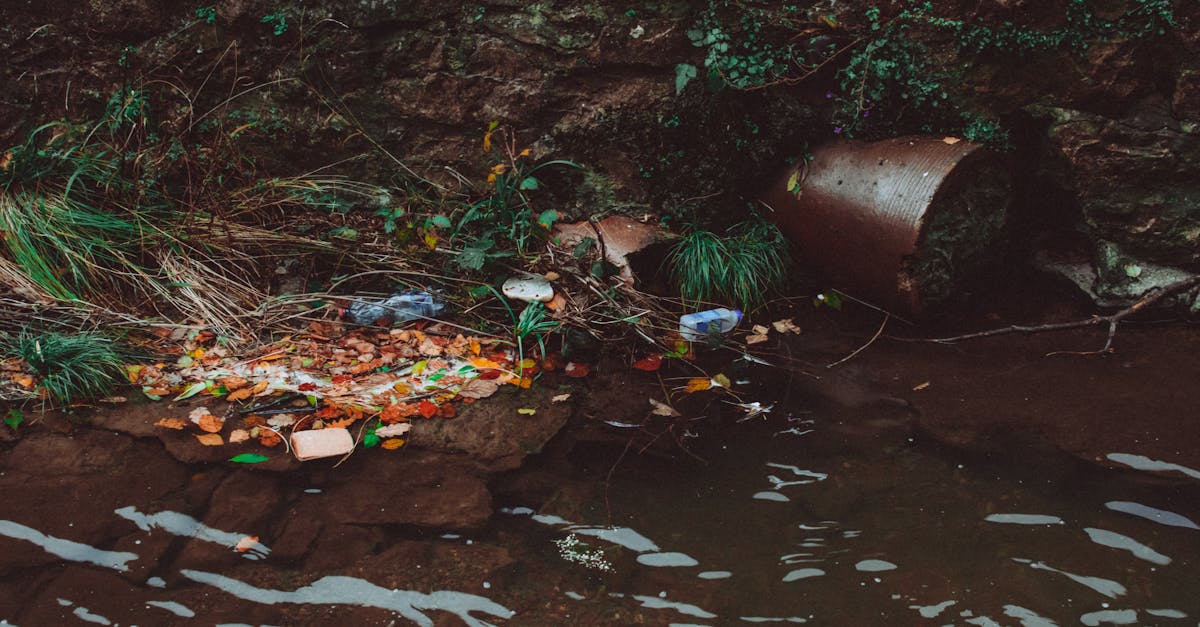
Water contamination has profoundly influenced industrial accountability, environmental standards, and public health frameworks worldwide. Below are several of the most severe and impactful water pollution incidents ever recorded, evaluated by their ecological devastation, long-term health consequences, fatalities, and subsequent regulatory changes.1. Flint Water Crisis (United States, 2014–2019)In 2014, the city of Flint, Michigan switched its water source to the Flint River without proper corrosion control treatment. The highly corrosive water leached lead from aging pipes into the municipal supply.Impact: Elevated blood lead levels in thousands of children Outbreak of Legionnaires’ disease causing at least 12 deaths Long-term neurological and developmental…
Read More
The most serious water contamination cases that shaped global public health policies

The most serious water contamination cases that shaped global public health policies

Water contamination has shaped public health policy, environmental regulation, and industrial accountability across the globe. The following cases represent some of the most serious and consequential water contamination events ever documented, measured by loss of life, long-term health damage, ecological destruction, and regulatory impact.1. Flint Water Crisis (United States, 2014–2019)In 2014, the municipality of Flint, Michigan transitioned its water supply to the Flint River absent proper corrosion control measures. Lead from deteriorating pipes was subsequently leached into the city's water grid by the highly corrosive liquid.Impact: Elevated blood lead levels in thousands of children Outbreak of Legionnaires’ disease causing at…
Read More