Month: July 2026

Mexico: CSR cases supporting local suppliers and reducing urban waste

Mexico’s CSR programs promoting local suppliers and urban waste recycling

Mexico faces two intersecting sustainability challenges: a high volume of urban waste and a need to strengthen the competitiveness of local suppliers. Major urban centers generate millions of tons of municipal solid waste each year; recycling rates for household and commercial waste remain under 10% in many regions, and informal waste-picking plays a substantial role in material recovery. At the same time, small and medium suppliers—farmers, processors, workshops, and logistics providers—often lack access to formal procurement channels, financing, or quality-assurance support required to enter large corporate supply chains.Corporate social responsibility (CSR) programs in Mexico are increasingly addressing both problems together:…
Read More
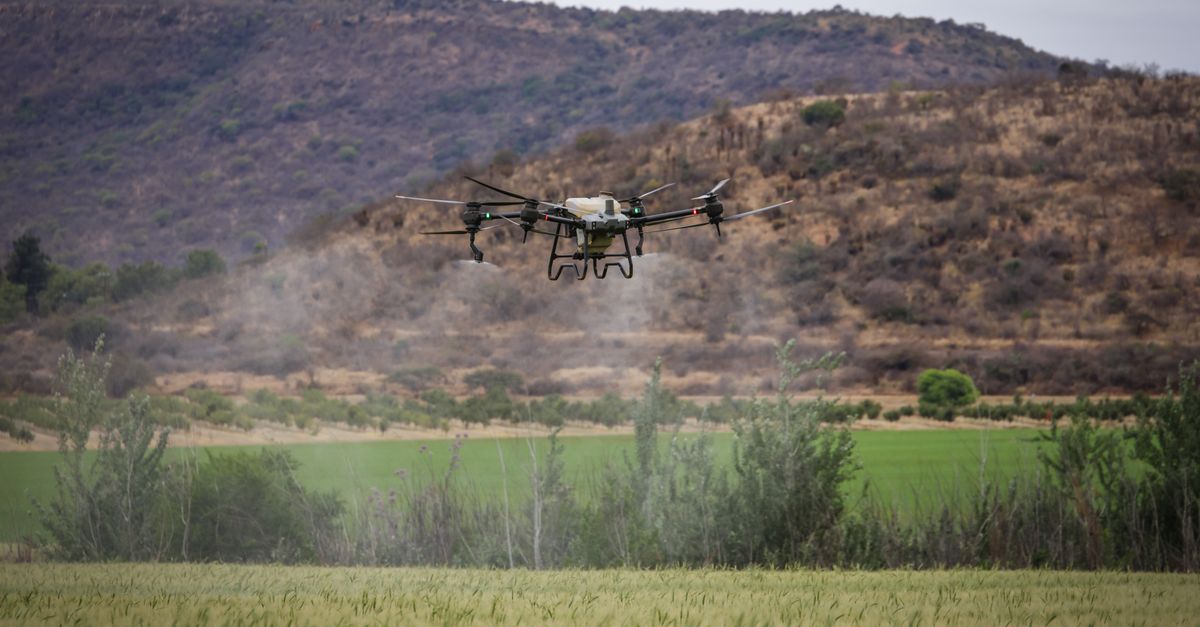
How are drones and robotics changing crop monitoring and spraying?

How drones and robotics improve efficiency in crop monitoring and spraying

The Technological Evolution Reshaping Modern AgricultureAgriculture is experiencing a significant shift fueled by drones and robotic systems. These tools are transforming the way farmers observe their fields, identify signs of stress, and manage inputs like fertilizers and pesticides. By integrating aerial insights, terrestrial robotics, and advanced data analysis, contemporary farms are becoming more accurate, productive, and environmentally conscious.How Drones Enhance Crop Surveillance EffortsDrones, also known as unmanned aerial vehicles, have become essential tools for real-time crop observation. Equipped with advanced sensors and cameras, they provide insights that were previously expensive or impossible to obtain at scale.Multispectral and hyperspectral imaging: These…
Read More
Why power grids are a bottleneck for clean energy

The role of transition energy in complementing renewable energy expansion

Transition energy refers to investments that reduce emissions and improve system reliability while the global economy moves toward low-carbon energy. These investments include grid modernization, energy storage, flexible natural gas, carbon capture, hydrogen infrastructure, nuclear power, and efficiency upgrades. They are not a substitute for renewables; they are complements that help renewable energy scale faster and more reliably.How the Rapid Expansion of Renewable Energy Can Lead to Systemwide GapsWind and solar power capacity has surged at an unprecedented pace, and data from the International Energy Agency indicates that by the mid-2020s, yearly global additions of renewable capacity have surpassed 500…
Read More
Guatemala: CSR cases strengthening child nutrition and community education

Strengthening child nutrition and education through CSR initiatives in Guatemala

Guatemala confronts one of Latin America’s most severe rates of chronic childhood malnutrition, with stunting affecting nearly half of all children under five in many rural and indigenous areas. Ongoing poverty, restricted access to reliable early childhood services, recurring periods of food insecurity, and deficiencies in water, sanitation, and health systems combine to form a complex challenge: inadequate nutrition hinders children’s ability to learn, while under-resourced education structures diminish families’ long-term opportunities. Corporate social responsibility (CSR) initiatives that integrate nutrition programs with community learning and local economic support can simultaneously tackle several drivers of risk and foster impact that is…
Read More