Month: June 2026

How are digital biomarkers changing health monitoring and diagnostics?

Digital biomarkers: transforming physiological and behavioral data

Digital biomarkers are objective, quantifiable physiological and behavioral data collected through digital devices such as smartphones, wearable sensors, and connected medical tools. Unlike traditional biomarkers, which often rely on laboratory tests or in-clinic measurements, digital biomarkers are generated continuously in real-world settings. They capture signals like heart rhythm, physical activity, sleep patterns, voice characteristics, typing behavior, and movement dynamics, transforming everyday interactions with technology into health insights.From Episodic Care to Continuous MonitoringConventional health checkups usually occur sporadically through infrequent clinic appointments and brief diagnostic evaluations, while digital biomarkers move this approach toward ongoing monitoring. Around-the-clock tracking from wearable devices can…

Read More
How do investors assess management quality beyond financial statements?

How investors evaluate management beyond financial reports

Financial statements reveal what a company has achieved, but they rarely explain how those results were produced or whether they can be sustained. Investors who aim to compound capital over long horizons therefore look beyond income statements and balance sheets to assess management quality. This assessment blends qualitative judgment with observable evidence about leadership behavior, decision-making, culture, and accountability.Strategic Clarity and ConsistencyHigh-quality management teams articulate a clear strategy and execute it consistently over time. Investors evaluate whether executives can explain their competitive advantage, target customers, and capital priorities in plain language—and whether actions align with those explanations.For instance, Amazon’s leadership…
Read More
Bolivia: natural-resources CSR with community consultation and water-access projects

Natural resources and water in Bolivia: CSR for sustainable communities

Bolivia is a nation where plentiful natural assets—such as minerals, lithium-rich brines, hydrocarbons, forests, and extensive freshwater networks—exist alongside rural and indigenous populations who depend on these ecosystems for their everyday sustenance. Corporate social responsibility (CSR) within extractive and infrastructure industries has increasingly shifted toward a central concern: water. Companies operating in Bolivia now face mounting expectations to prevent damage to water sources, incorporate community perspectives and approval, and implement reliable water-access initiatives that enhance local living conditions while safeguarding surrounding ecosystems.The impact of natural‑resource operations on waterMining: open-pit and underground operations may depress groundwater levels, shift surface hydrology, and…
Read More
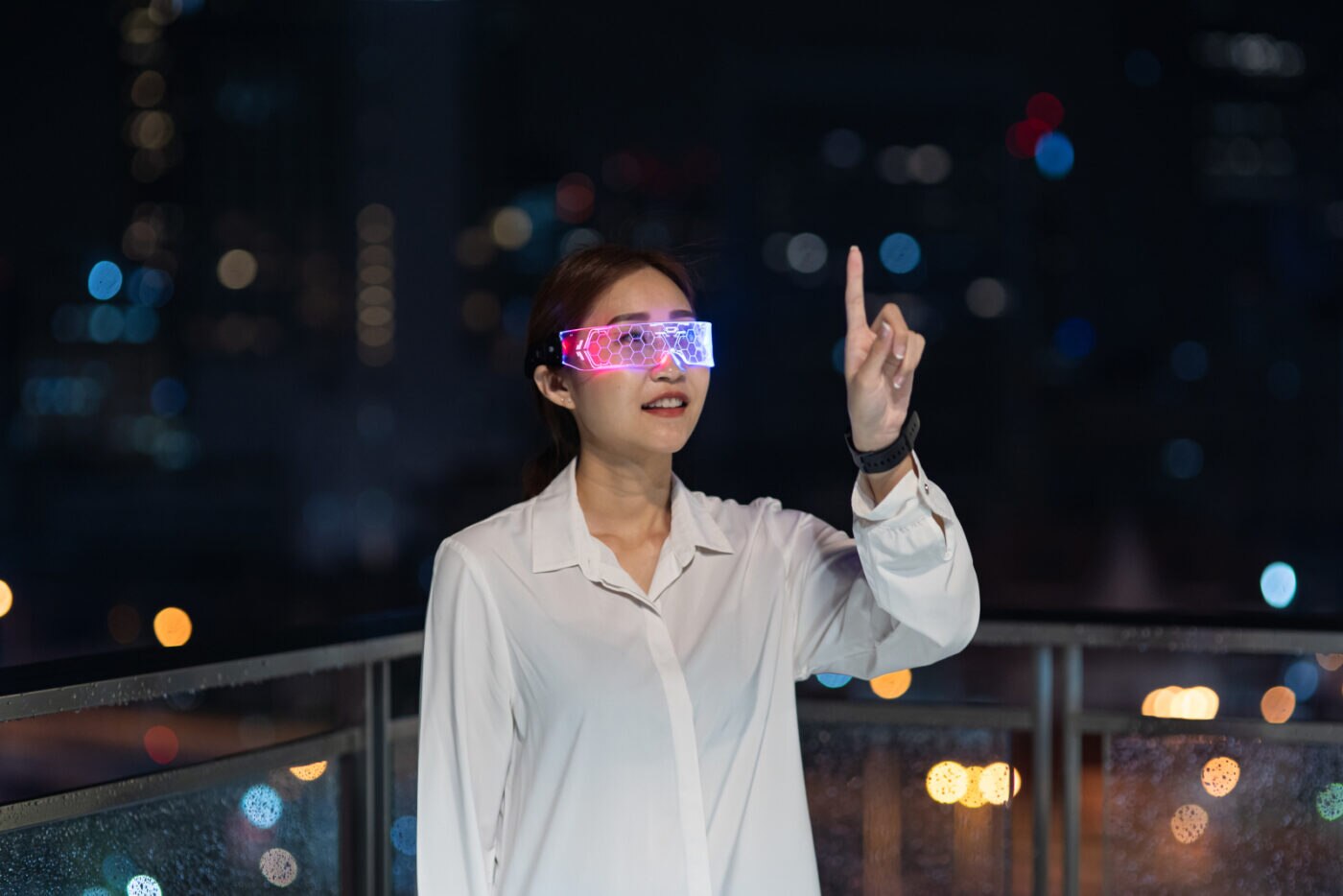
XR, AR, VR, MR: What's the Difference in Reality? - Arm Newsroom

How AR glasses are becoming foundational computing tools

Augmented reality glasses and spatial computing platforms are moving from experimental products to foundational computing tools. This shift is driven by advances in hardware miniaturization, artificial intelligence, networking, and software ecosystems. Together, these trends are redefining how digital content blends with the physical world, changing how people work, learn, and interact with information.Miniaturization and Wearability as Core Design PrioritiesNew developments focus on crafting lighter, more wearable AR glasses that resemble everyday eyewear far more closely. Earlier headsets tended to be bulky and demanded substantial power, which hindered their widespread use. Current versions highlight better weight distribution, slimmer waveguides, and components…
Read More