1) Global Positioning System (GPS)
Originally developed by the United States Department of Defense in the 1970s for precise military navigation and missile guidance, GPS became fully operational in 1995. After selective availability was discontinued in 2000, civilian accuracy improved dramatically. Today, GPS underpins smartphone navigation, aviation routing, maritime logistics, ride-sharing platforms, precision agriculture, disaster response, and financial network time-stamping. Modern economies rely on satellite-based positioning not only for maps but also for synchronizing power grids, banking transactions, and telecommunications infrastructure.
2) The Internet
The foundations of the Internet trace back to ARPANET, a U.S. Defense Advanced Research Projects Agency project launched in 1969 to create a resilient communications network capable of surviving disruptions. Packet switching, decentralized architecture, and TCP/IP protocols were designed with military continuity in mind. These innovations later enabled global digital communication, e-commerce, remote work, cloud computing, and social media—transforming commerce and culture worldwide.
3) Radar Technology
Developed extensively during World War II for aircraft and naval detection, radar uses radio waves to determine object distance and speed. Today it supports weather forecasting, air traffic control, maritime navigation, speed enforcement, and even automotive collision-avoidance systems. Doppler radar, for example, allows meteorologists to detect tornado formation, saving lives through early warnings.
4) Jet Engines
Jet propulsion was refined during World War II for high-speed military aircraft. Postwar adaptation led to commercial aviation powered by jet engines, enabling affordable intercontinental travel and globalized trade. Modern turbofan engines, derived from early military designs, are quieter and more fuel-efficient, supporting millions of flights annually.
5) Drones
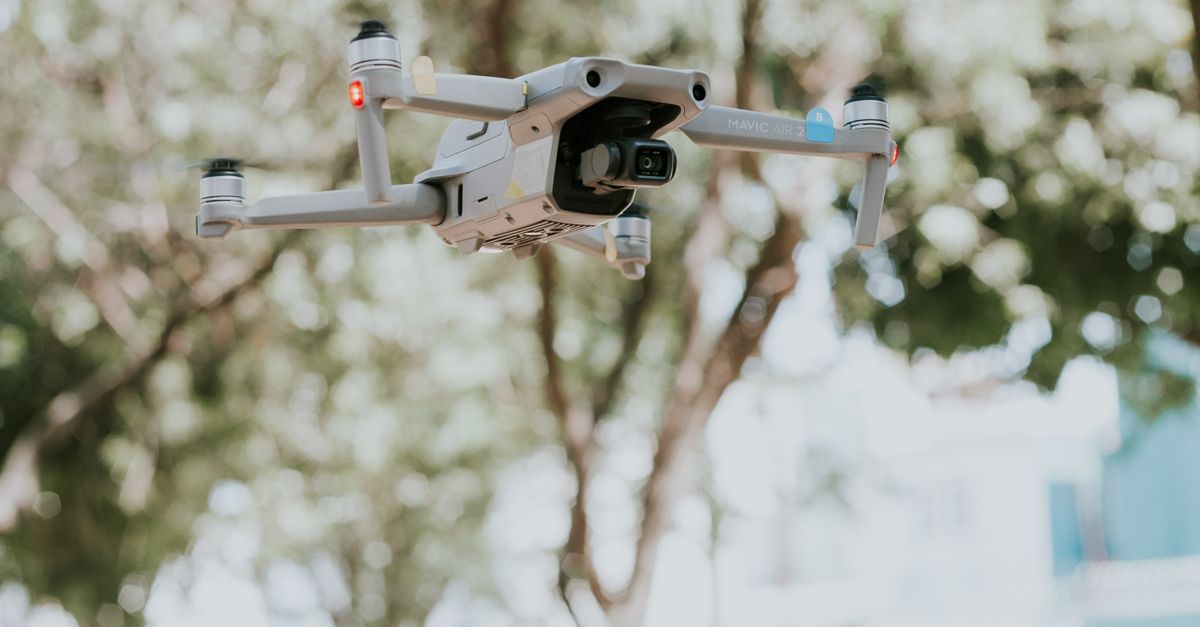
Unmanned aerial vehicles were initially developed for reconnaissance and target practice. Civilian drones now serve industries ranging from filmmaking and journalism to agriculture and infrastructure inspection. Farmers use drones for crop monitoring and pesticide application; emergency responders deploy them in search-and-rescue missions; logistics companies test them for last-mile delivery.
6) Microwave Ovens
During radar research in the 1940s, engineers discovered that microwave radiation could heat food. This led to the invention of the microwave oven, which became a household staple by the 1970s. The appliance revolutionized food preparation, influencing urban lifestyles and the growth of convenience foods.
7) Duct Tape
Originally formulated during World War II to protect ammunition crates from moisture, duct tape quickly demonstrated exceptional durability and adaptability. Following the conflict, civilian households embraced it as an all-purpose fix-it solution across building, vehicular upkeep, urgent repairs, and interplanetary exploration, with astronauts occasionally relying on comparable adhesive materials to handle fixes in space.
8) Penicillin Mass Production
Although penicillin was discovered before World War II, large-scale mass production techniques were developed to treat wounded soldiers. These advances accelerated the antibiotic era, saving millions of civilian lives and establishing pharmaceutical manufacturing standards that continue to shape global healthcare.
9) Canned and Freeze-Dried Foods
Military logistics spurred advancements in food preservation aimed at provisioning soldiers deployed in isolated regions. Subsequently, freeze-dried meals and sophisticated canning techniques transitioned into grocery stores. Hikers, campers, astronauts, and fast-paced families depend on these preservation methods to achieve prolonged shelf life alongside consistent nutritional value.
10) Night Vision Technology
Originally created to provide soldiers with visibility during low-light combat scenarios, night vision devices enhance surrounding light through infrared sensors or image intensification. Today, civilian applications span wildlife observation, security surveillance, maritime navigation, and search-and-rescue missions.
11) Super Glue
Developed during World War II research into clear plastic gun sights, cyanoacrylate adhesives, commonly known as super glue, found unexpected value as powerful bonding agents. Beyond household repairs, medical-grade versions are used to close wounds and surgical incisions.
12) Digital Photography
Early digital imaging sensors were advanced for reconnaissance satellites and military surveillance. Digital photography later replaced film in consumer cameras and smartphones. The global shift to digital imaging reshaped journalism, entertainment, advertising, and social communication.
13) Autonomous Vehicle Technologies
Military investigations concerning autonomous navigation for unmanned ground vehicles laid the groundwork for civilian self-driving car systems. Technologies such as LIDAR, advanced sensors, and machine vision are now integrated into driver-assistance systems that enhance road safety and efficiency.
14) Weather Satellites
Space-based observation systems were initially launched for strategic monitoring. Civilian weather satellites now track storms, climate patterns, and environmental changes. Accurate forecasting supports agriculture, aviation safety, disaster preparedness, and climate science research.
15) Synthetic Rubber
During World War II, supply shortages of natural rubber prompted accelerated development of synthetic rubber. Today it is essential for tires, medical equipment, industrial seals, footwear, and countless consumer goods, forming a cornerstone of modern manufacturing.
The Broader Impact of Military Innovation
Military-driven research frequently arises from pressing requirements: survival, communication, mobility, and tactical advantage. After being modified for commercial markets, such innovations drive economic expansion, enhance living standards, and transform entire industries. From satellite navigation steering daily commutes to medical advances prolonging life expectancy, the shift from combat necessity to domestic utility illustrates how high-stakes government research can trigger extensive societal change. The dynamic between defense innovation and civilian integration constantly shapes how communities communicate, travel, eat, heal, and connect—demonstrating that implements forged in conflict routinely evolve into instruments of daily progress.