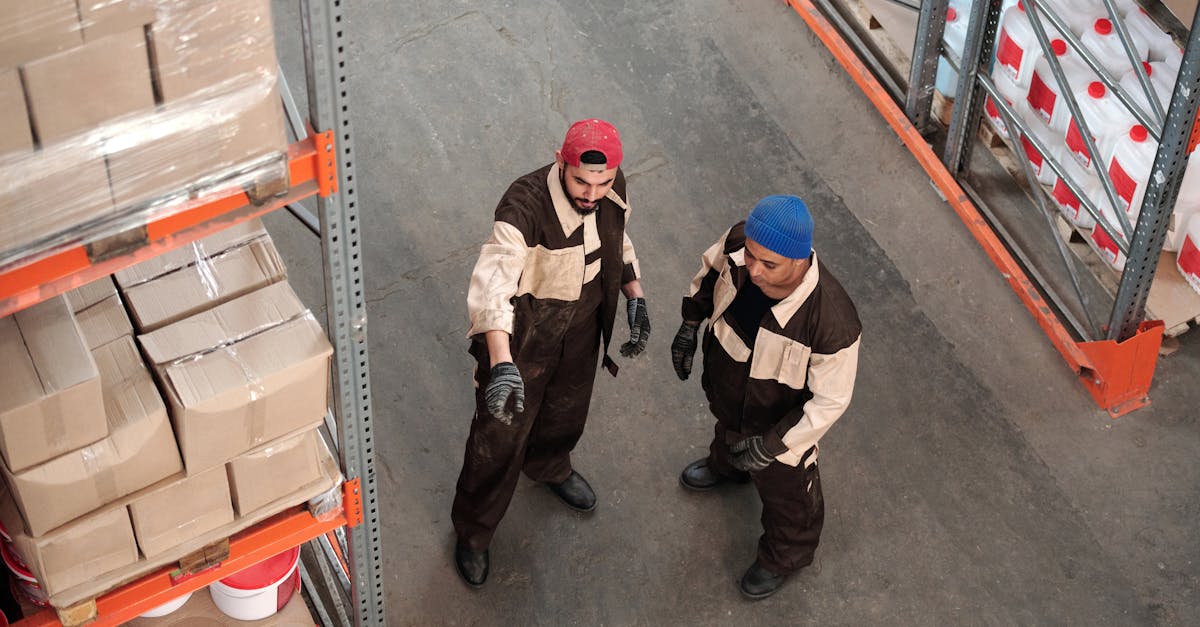
Logistics real estate has become one of the most strategic asset classes in the global economy. Its close connection to e-commerce and reshoring is not coincidental; it is the result of structural shifts in how goods are produced, stored, and delivered. As companies redesign supply chains to be faster, more resilient, and more customer-centric, demand for modern logistics facilities has accelerated.
The Role of Logistics Real Estate in Modern Supply Chains
Logistics real estate spans warehouses, distribution centers, fulfillment hubs, cold storage sites, and last‑mile delivery locations, forming the essential physical network that allows supply chains to move goods from production facilities to end consumers.
What differentiates modern logistics real estate from traditional industrial property is its emphasis on speed, flexibility, and technology. High ceilings, advanced automation, large truck courts, proximity to transportation nodes, and strong digital connectivity are now standard requirements. These features directly support the needs of both e-commerce operations and reshoring strategies.
E-Commerce as a Primary Demand Driver
The rise of e-commerce has profoundly transformed the movement of products throughout the economy, while digital retail now requires inventory to be located closer to final customers and managed at a quicker pace than in traditional store-based systems.
Key ways e-commerce drives logistics real estate demand include:
- Inventory decentralization: Rather than relying on a handful of large regional hubs, e-commerce firms now manage broad networks of fulfillment sites designed to accelerate delivery speeds.
- Last-mile delivery needs: Commitments to same-day and next-day shipping push for facilities positioned close to heavily populated urban zones, which boosts demand for infill logistics properties.
- Higher throughput: Online retail drives a surge in individual orders, returns, and packaging tasks for every sales unit, resulting in expanded space requirements.
- Automation and technology: Robotics, conveyor equipment, and sophisticated sorting systems call for custom-built structures with tailored layouts and adequate power capacity.
Major online retailers, for instance, may run dozens or even hundreds of fulfillment centers within one country, and each site typically carries a long-term lease obligation, which helps sustain steady demand for logistics real estate even when the economy slows.
Industrial Demand Strengthened by Reshoring and Nearshoring
Reshoring involves returning manufacturing and assembly work to domestic markets, whereas nearshoring situates production nearer to target regions; both movements have accelerated as companies respond to supply chain instability, geopolitical uncertainty, and increasing transport expenses.
These shifts increase logistics real estate demand in several ways:
- New manufacturing-adjacent warehouses: Domestic production still requires storage for raw materials, components, and finished goods.
- Buffer inventory strategies: Companies now hold more safety stock to reduce risk, increasing space requirements.
- Regional distribution hubs: Reshored production must connect efficiently to national distribution networks.
Producers shifting their operations nearer to end users frequently establish or rent logistics sites positioned close to major highways, ports, rail terminals, and workforce centers, and this trend continues to strengthen the need for contemporary industrial parks and logistics hubs.
Resilience and the Strategic Importance of Risk Management
Both e-commerce growth and reshoring are responses to risk. Online retailers must meet customer expectations despite demand volatility, while manufacturers seek protection from supply disruptions. Logistics real estate plays a central role in these strategies.
Companies increasingly value:
- Redundancy: Operating several facilities across diverse areas minimizes reliance on any single location.
- Flexibility: Shorter preparation periods and versatile configurations make it easier to react swiftly to shifting market demands.
- Control over inventory: Being closer to customers and production sites enhances oversight and streamlines planning efforts.
Consequently, long-term demand for strategically positioned logistics properties has remained more robust than in many other real estate segments.
Capital Markets and Investor Synergy
Investors recognize the structural link between logistics real estate, e-commerce, and reshoring. Long leases, strong tenant credit, and consistent rent growth have made logistics assets attractive to institutional capital.
E-commerce tenants frequently commit to long-term leases because of substantial fit-out expenses, while those tied to reshoring initiatives gain from government incentives and strategic obligations; together, these factors lower vacancy exposure and help drive asset value appreciation.
Urban Development, Infrastructure, and Strategic Location Planning
The significance of location has grown considerably, and logistics real estate now needs to juggle proximity to consumers, transportation networks, and available labor. Urban infill areas have become essential for e-commerce operations, while reshoring strategies tend to prioritize properties situated near highways, ports, and established industrial hubs.
Cities supported by significant infrastructure investment and favorable zoning measures often draw fulfillment centers along with returning manufacturing supply chains, further tightening the link between logistics properties and overall economic growth.
A Foundational Alliance Poised to Shape Tomorrow
Logistics real estate occupies a crucial position where digital commerce converges with physical production, as expanding e-commerce drives the push for quicker, more geographically dispersed fulfillment, and reshoring fuels greater need for domestic storage and distribution space. These trends collectively reshape supply chain design and influence where capital is allocated. Their interconnected momentum signals a wider movement toward resilience, speed, and strategic proximity, ultimately guiding the long-term transformation of global trade and the built environment that underpins it.


.jpeg "Real estate iReal estate investment in Panama")
.jpg "Costa del Mar leads Panama City’s residential market in 2026")