The grunge style surfaced in the early 1990s as a distinctive aesthetic shaped heavily by the grunge music scene in Seattle, defined by its deliberately rough, unrefined appearance that challenges mainstream fashion conventions and reflects an anti-consumerist stance. This cultural force has left a lasting mark on fashion, music, and wider cultural trends, making it a fascinating area of exploration for anyone drawn to the connections between style and subculture.
The Emergence of the Grunge Aesthetic
The origins of grunge style are closely linked to the Seattle music scene of the late 1980s. Bands such as Nirvana, Pearl Jam, and Soundgarden not only influenced the era’s musical landscape but also defined the visual identity associated with grunge. These artists frequently relied on thrifted garments, chosen less for style than for practicality. Their aim was to project sincerity and a stripped-down mindset, deliberately distancing themselves from the glossy aesthetics that characterized 80s rock and pop culture. As a result, grunge style emerged from a raw urban sensibility that valued ease and purpose over the showiness that had prevailed in earlier decades.
Essential Aspects of Grunge Style
At its core, grunge fashion incorporates several distinct elements that create its iconic, effortlessly “unfashionable” look:
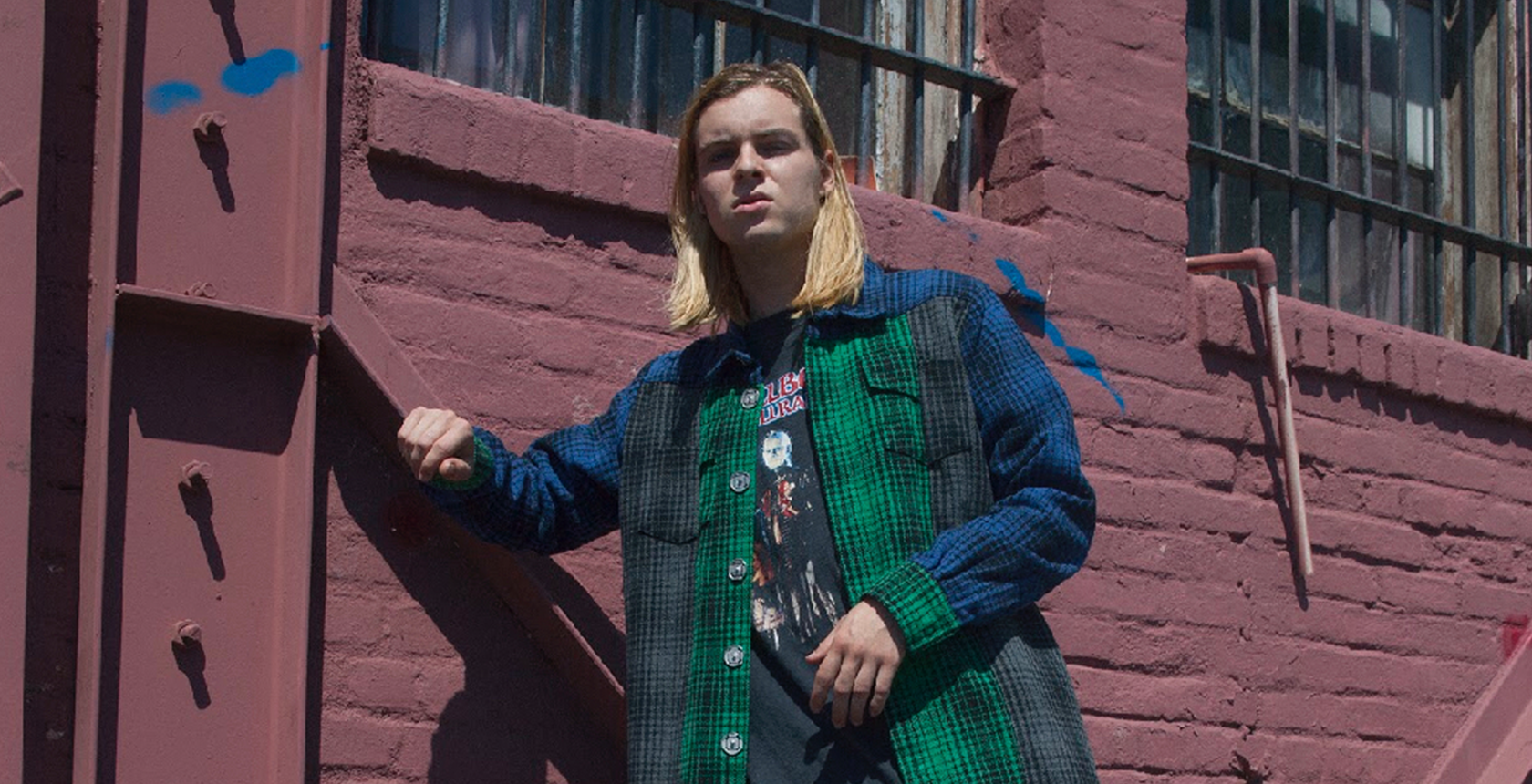
Layering: A defining trait of grunge fashion is its layered approach. Typical pairings can feature flannel shirts or oversized cardigans tossed over band tees, frequently matched with distressed jeans. These layers are not only practical for the frequently rainy Seattle climate but also act as a statement of personal style.
Material Choice: Grunge style relies on rugged, comfortable fabrics like denim, flannel, and leather, which convey a practical, no-frills mindset. Clothing frequently appears aged or distressed, reinforcing its laid-back, rebellious vibe.
Footwear: Combat boots, especially Dr. Martens, along with weathered sneakers epitomize the grunge look, and these picks underscore the raw, grounded vibe that defines the style.
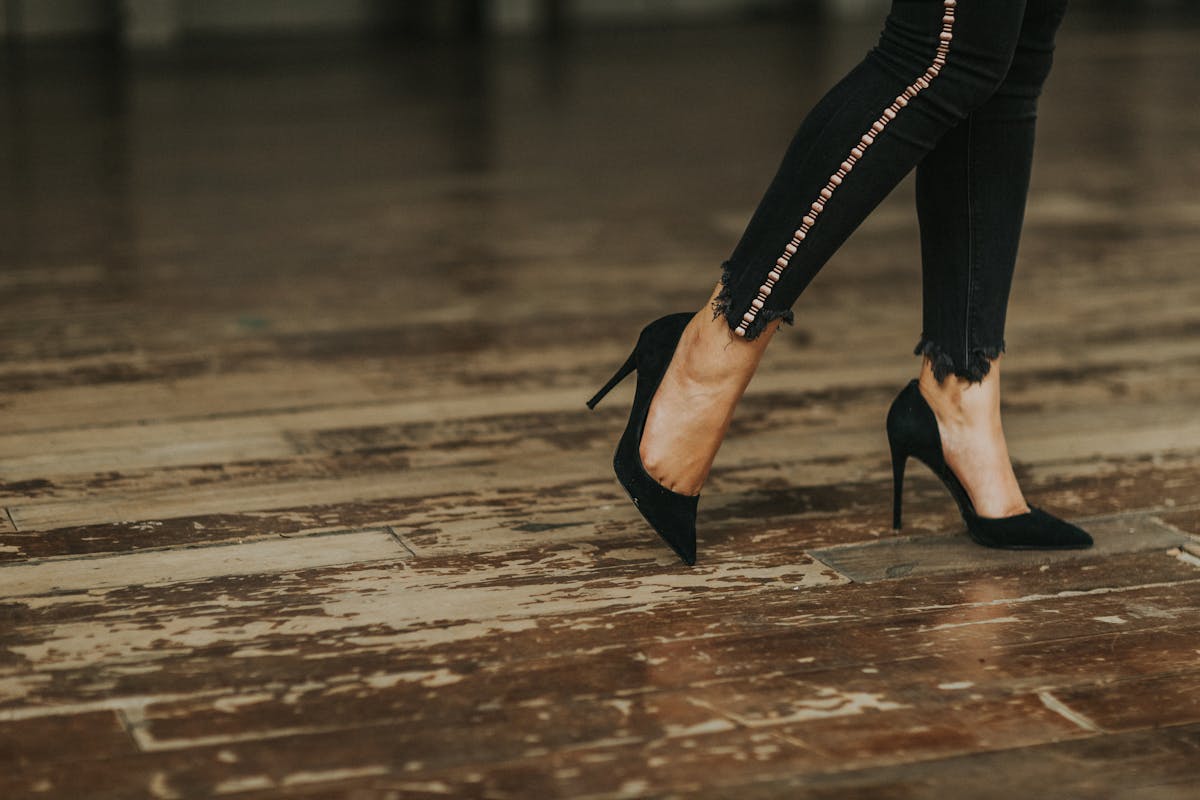
Accessories: Grunge-style accessories stay minimal yet intentional, with pieces like beanie hats, chokers, and torn tights subtly enriching the look without overshadowing it.
Grunge Style’s Cultural Impact
Beyond the realm of fashion, grunge style has provided a visual language for an entire ethos that challenges societal expectations and norms. In the 1990s, it played a pivotal role in democratizing fashion, empowering individuals to embrace authenticity. Grunge also prompted the industry’s move towards “casual” as an acceptable dress code in numerous professional settings.
This style has resurfaced over time in many variations, shaping other subcultures and fashion currents such as the punk revival and the hipster movement, and fashion’s cyclical rhythm ensures that grunge is continually reinvented while its core principles persist.
The Modern Interpretation of Grunge
Today’s understanding of grunge style merges its early ideals with modern influences, as fashion designers weave grunge-inspired details into upscale collections, pairing rough accents with refined materials and silhouettes, while streetwear steadily embraces its signature layering and unpolished energy, underscoring the style’s lasting allure.
By weaving in contemporary influences like sustainable and ethical fashion, grunge style has continued to transform while preserving its core identity, with vintage finds and upcycled pieces echoing the movement’s roots by infusing an eco‑aware spirit into its anti‑consumerist ethos.
Grunge style serves as a reminder of fashion’s ability to act as a cultural beacon, and exploring its origins and progression offers a window into wider social shifts across recent decades. What began as a rejection of mainstream fashion has evolved into an enduring force, disrupting norms and continually motivating emerging generations. The ongoing exchange between authenticity and flexibility keeps grunge style pertinent in a world where sartorial expectations are always in flux.