Public esteem for cultural figures may change rapidly once fresh context comes to light, and what starts as a stylistic or creative nod can gradually expand into a wider dialogue about accountability, historical understanding, and the boundary between influence and endorsement.
Chappell Roan revisits her commendation of Brigitte Bardot as renewed debate intensifies over the actress’s political record
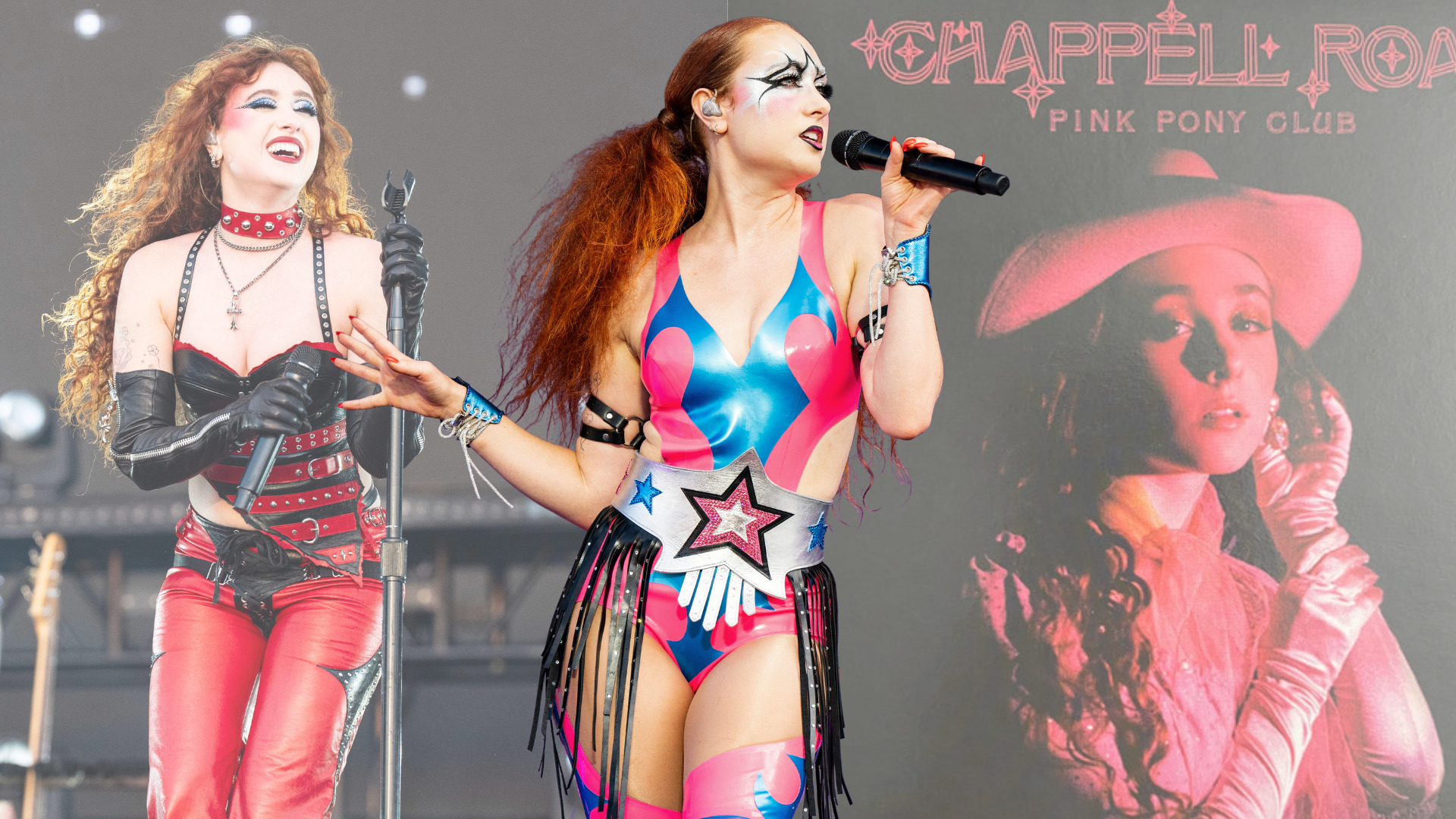
Chappell Roan has crafted her public image through vibrant originality, candid expression and an eager openness with her fans, drawing frequently on pop history, fashion trends and iconic figures that have influenced her artistic voice. Yet a recent cultural nod led her to rethink that connection: after first highlighting Brigitte Bardot as an emblem of style and defiant femininity, Roan later distanced herself from that admiration once she became aware of the late French actress’s enduring association with far-right political positions.
The moment highlights a persistent tension in modern pop culture: the challenge of balancing creative or aesthetic inspiration with the personal and political legacies of earlier figures. For Roan, this reevaluation was not presented as a dramatic about-face, but as a thoughtful consideration shaped by shifting perspectives and values in a time when public personalities are increasingly expected to place their influences in clearer context.
The initial admiration and its cultural roots
Brigitte Bardot remains one of the most recognizable figures of 20th-century European cinema. Rising to fame in the 1950s and 1960s, she became synonymous with a particular image of liberated femininity, effortless glamour and cultural defiance. For decades, Bardot’s style, music and screen presence have influenced artists, designers and performers across generations, often detached from her later life and political positions.
Chappell Roan’s early nod to Bardot mirrored a well‑known pattern, as she, like many performers before her, seemed to draw on Bardot’s cultural and visual influence rather than her personal beliefs, and Bardot has long served in fashion spreads, stage design and pop imagery as a symbol of retro allure and self‑assurance, making Roan’s appreciation unsurprising and framing it as an aesthetic choice rather than a political one.
However, as conversations unfolded online, attention shifted away from Bardot’s cinematic legacy toward her controversial political history. Bardot, who withdrew from acting decades ago, became increasingly known in later life for outspoken far-right views, particularly on immigration and Islam, positions that resulted in multiple legal convictions in France for inciting racial hatred.
Learning the broader context
Roan’s reconsideration reportedly came after becoming more aware of this aspect of Bardot’s legacy. For many younger artists and fans, the political positions of historical figures are not always immediately visible, especially when their cultural influence has been filtered through decades of fashion, music and popular imagery.
Once informed, Roan acknowledged the disconnect between the values she seeks to represent and the ideology associated with Bardot’s later years. Rather than defending her original comment or dismissing the criticism, she chose to clarify that her admiration did not extend to Bardot’s political stance. This response aligned with a broader generational tendency to reassess influences through ethical as well as artistic lenses.
The episode underscores how access to information, amplified by social media, can rapidly reframe public perception. In previous eras, an artist might have cited an influence without widespread scrutiny. Today, even brief references can prompt detailed examinations of historical records, political affiliations and personal conduct.
Distinguishing art from ideology
At the center of the conversation is a persistent dilemma: can an artist’s influence be viewed apart from their personal convictions? Some believe it can. They maintain that cultural achievements deserve appreciation even when the creator’s later views or behavior diverge. Bardot’s films, music and fashion legacy unquestionably left a mark on global pop culture, irrespective of how her political stance changed over time.
Others argue that persisting in honoring these figures without proper acknowledgment can end up normalizing or ignoring harmful ideologies, and they stress that context becomes essential, particularly when influential public figures invoke historical icons. They maintain that the duty is not to delete cultural history, but to present it with honesty and critical clarity.
Roan’s response appears to navigate a middle ground. Rather than rejecting the entirety of Bardot’s cultural impact, she distanced herself from unqualified praise and emphasized that admiration for aesthetics does not equate to endorsement of beliefs. This distinction, while subtle, reflects a nuanced approach that many contemporary artists are adopting.
The demands contemporary artists are expected to meet
The scrutiny surrounding Roan’s comment also highlights the evolving expectations placed on public figures, particularly those who appeal to younger, socially conscious audiences. Fans increasingly look to artists not only for music, but for alignment with values related to inclusion, equality and social awareness.
In this environment, even accidental links can spark disagreement, as artists are frequently called on to display cultural awareness that stretches across eras, regions, and political currents; although such demands can feel rigorous, they also signal a movement toward deeper responsibility and more open conversation.
Roan’s readiness to reassess her remark indicates she recognizes this dynamic, and instead of portraying the matter as a simple misunderstanding or shifting blame, she accepted the updated details and modified her position accordingly, a response many observers viewed as a mark of careful judgment rather than fragility.
Brigitte Bardot’s multifaceted legacy
Bardot’s case is especially revealing, as it highlights the sharp divide between her early public persona and the direction her later life took. Once hailed as an emblem of personal freedom and sensual independence, she eventually withdrew from public view, only to return as an outspoken supporter of nationalist and anti-immigration causes. Over time, her remarks resulted in multiple fines and legal proceedings, solidifying her standing as a profoundly divisive figure in France and abroad.
This duality makes it difficult to regard Bardot solely as a style icon, as her notable influence on film and fashion stands alongside a history of opinions many consider at odds with modern expectations of diversity and inclusion, and over time Bardot has increasingly become an illustration of how cultural reputations can splinter.
For younger artists like Roan, engaging with such legacies requires careful navigation. The past cannot be rewritten, but it can be reexamined with greater clarity and honesty.
The wider cultural dialogue
Beyond Roan and Bardot, the episode reflects a wider cultural reckoning with the figures who populate the artistic canon. Musicians, actors and writers from previous eras are being reassessed in light of modern ethical standards. This process is not about imposing retroactive judgment, but about understanding influence in its full complexity.
Social media now drives these exchanges at remarkable speed, transforming what could have lingered as a minor historical detail into a widespread trend that sparks rapid reactions from artists and institutions. In this way, Roan’s experience illustrates how swiftly admiration in the digital era can shift into moments of self examination.
Importantly, these moments also open space for education. Many fans learned about Bardot’s political history for the first time through the discussion surrounding Roan’s comment. While uncomfortable, such awareness contributes to a more informed engagement with cultural history.
Navigating influence with intention
For emerging artists, the lesson is not necessarily to avoid referencing the past, but to do so with intention and awareness. Cultural inspiration is rarely neutral, and understanding its origins can enrich rather than diminish creative expression.
Roan’s recalibration suggests that influence can be acknowledged while still drawing clear boundaries. By clarifying what aspects of Bardot’s legacy she does not support, Roan reinforced her own values and demonstrated that admiration can be conditional rather than absolute.
This method could grow more prevalent as artists keep drawing from an extensive reservoir of cultural symbols that often bear intricate and layered histories.
The conversation sparked by Chappell Roan’s reassessment of Brigitte Bardot is unlikely to be the last of its kind. As pop culture continues to mine the past for inspiration, similar questions will arise about how to balance homage with accountability.
What stands out in this instance is not the initial reference, but the response that followed. Roan’s decision to walk back her praise after gaining fuller context reflects a broader shift toward reflective engagement rather than defensive posturing. In an industry often criticized for surface-level reactions, this willingness to reconsider speaks to a more thoughtful model of cultural participation.
Ultimately, the episode underscores that influence never stays fixed; it shifts as insight grows, allowing artists and their audiences to learn, adapt, and continue progressing. By doing so, they help shape a cultural landscape that prizes not only inventive expression but also heightened awareness and a sense of responsibility.