Social Responsibility

Angola: CSR cases improving safe water access and preventive health in rural areas

Addressing health disparities through CSR-funded water projects in rural Angola

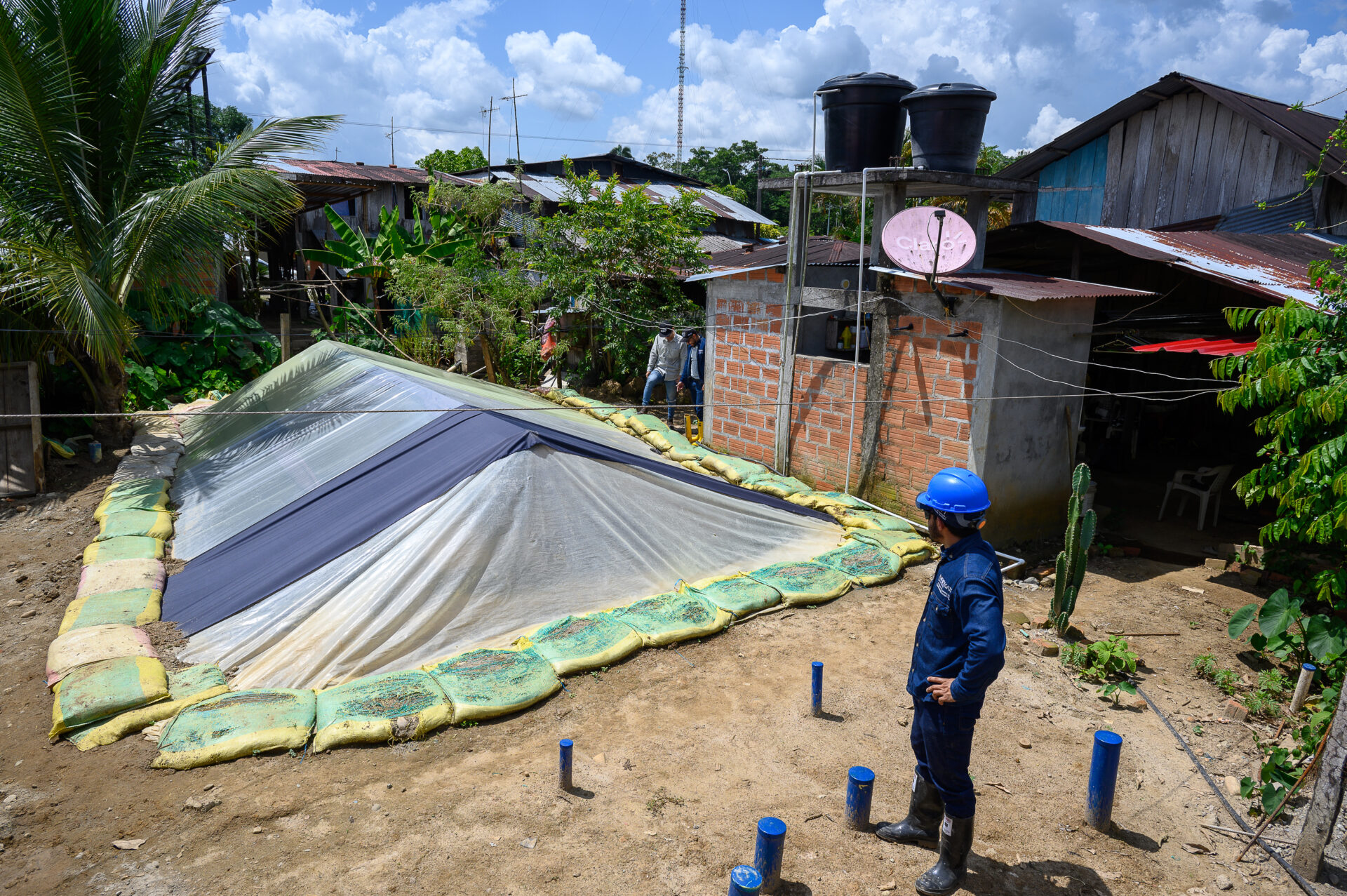
Angola’s post-conflict development trajectory has improved macroeconomic indicators, but rural communities still face persistent deficits in safe water and preventive health services. Private-sector actors — particularly oil and gas firms, mining companies, and international corporations operating in Angola — have implemented Corporate Social Responsibility (CSR) programs that target water, sanitation, hygiene (WASH) and preventive health. These interventions often complement government and donor efforts and can generate durable gains when they are community-led, technically sound, and coordinated with public systems.Background and RequirementsDemographics and access gaps: Angola’s population is roughly in the mid-thirties of millions, with a substantial rural population concentrated in…
Read More
Ghana: mining and agriculture CSR with transparency and sustainable community projects

Ghana’s mining and agriculture sectors: CSR frameworks for environmental protection and community accountability

Ghana's economy rests on two closely connected pillars: mining and agriculture. Mining, driven by gold, manganese, bauxite, and various industrial minerals, generates substantial export income and government revenues. Agriculture, centered on cocoa, staple crops, and smallholder farming systems, sustains livelihoods for much of the population while feeding into international commodity markets. These sectors both create prosperity and place pressure on ecosystems and local communities. Corporate social responsibility (CSR) and transparency therefore serve not as optional add-ons but as vital mechanisms to reduce environmental risks, safeguard human rights, and secure lasting benefits for surrounding communities.Primary CSR obstacles confronting Ghana's mining industryGhanaian…
Read More
Angola: CSR cases improving safe water access and preventive health in rural areas

Diarrheal disease prevention through private sector WASH programs in Angola

Angola’s post-conflict development trajectory has improved macroeconomic indicators, but rural communities still face persistent deficits in safe water and preventive health services. Private-sector actors — particularly oil and gas firms, mining companies, and international corporations operating in Angola — have implemented Corporate Social Responsibility (CSR) programs that target water, sanitation, hygiene (WASH) and preventive health. These interventions often complement government and donor efforts and can generate durable gains when they are community-led, technically sound, and coordinated with public systems.Context and needDemographics and access gaps: Angola’s population is roughly in the mid-thirties of millions, with a substantial rural population concentrated in…
Read More
Côte d’Ivoire: cocoa CSR with traceability and better incomes for growers

Traceability as a key lever for sustainable cocoa production in Ivory Coast

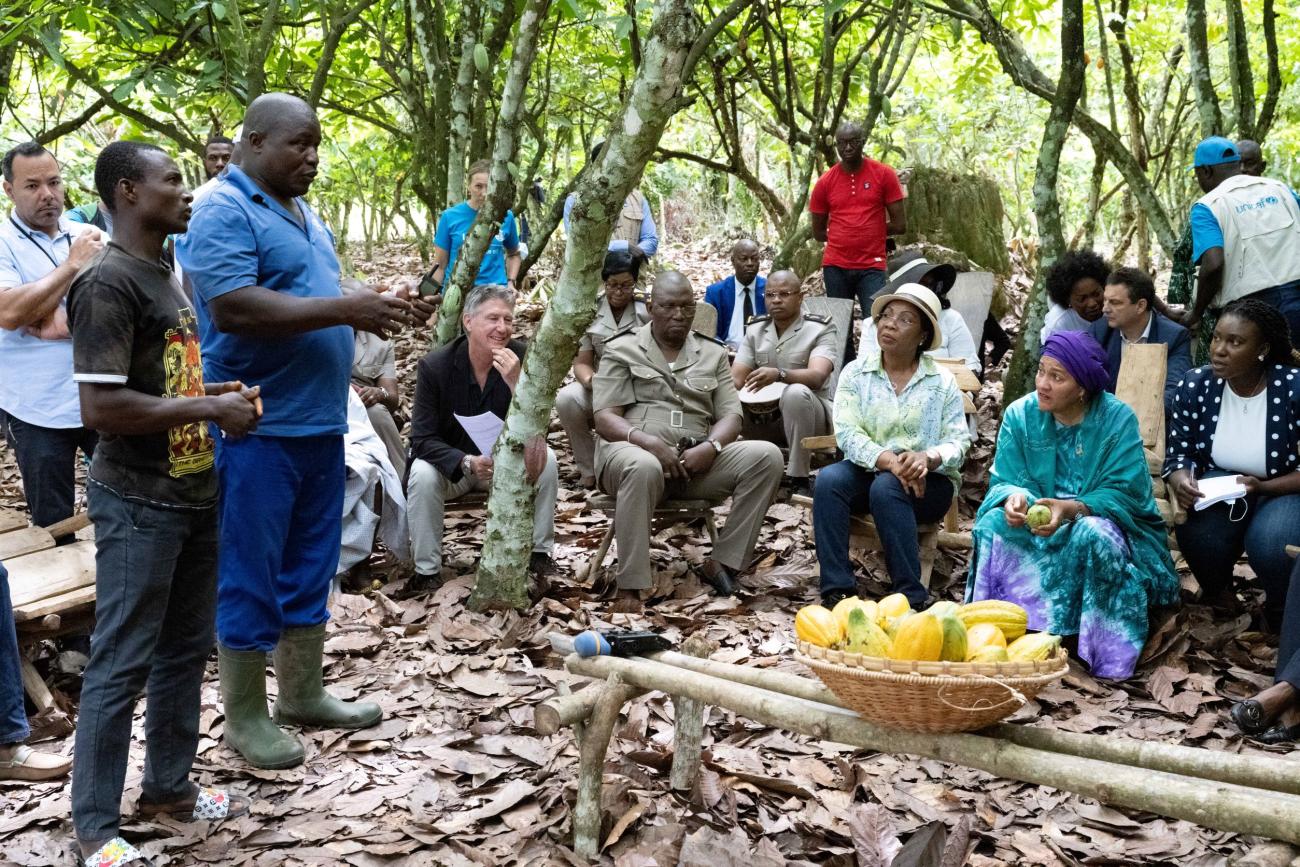
Ivory Coast accounts for roughly 40% of global cocoa supply, producing around 2 million metric tons in recent seasons. Cocoa is central to the country’s export earnings and to the livelihoods of millions of smallholder families. At the same time, the sector faces structural challenges: low farmer incomes, persistent child labor, aging trees and low productivity, deforestation, and fragmented supply chains. Corporate social responsibility (CSR) efforts combined with modern traceability systems are increasingly positioned as the levers that can align industry profit with social and environmental outcomes.The CSR landscape: policy, private sector commitments, and challengesCSR efforts in Ivory Coast are…
Read More