Social Responsibility

The 10 Mines and Extraction Sites Closed Under Public Pressure

The closure of 10 mines driven by environmental and social movements

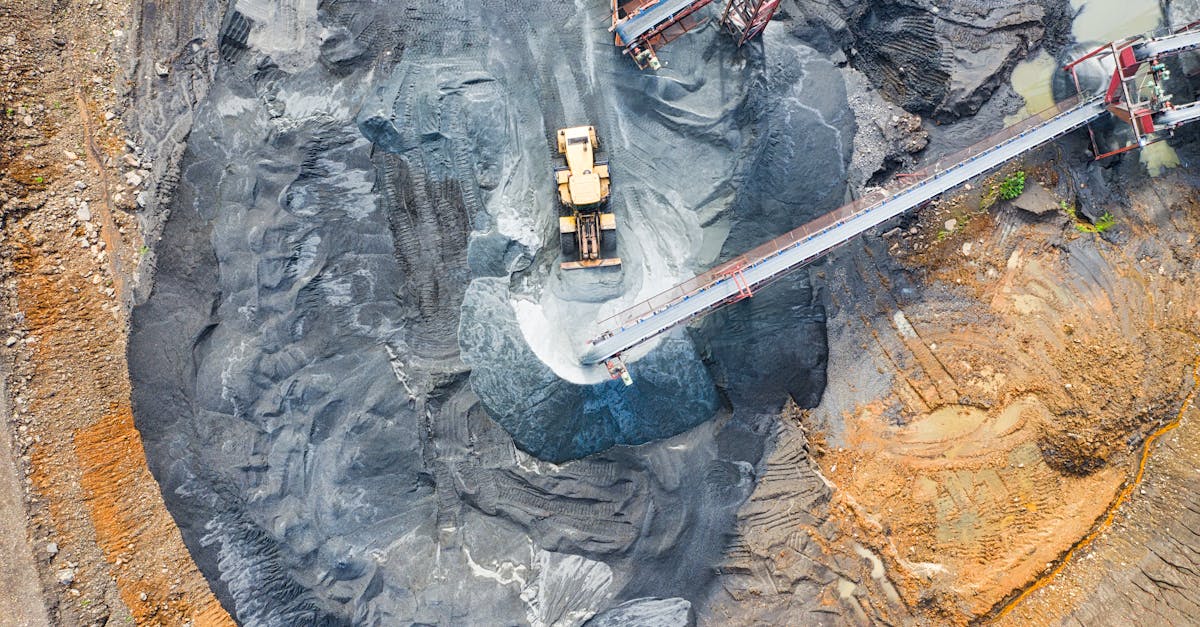
Introduction: When Public Pressure Reshapes the Extractive IndustryMining and large-scale extraction projects have long been associated with economic growth, job creation, and resource security. Yet they also carry profound environmental, social, and health consequences. Over the past several decades, organized public pressure—through grassroots movements, Indigenous resistance, legal challenges, scientific advocacy, and global campaigns—has led to the closure of several high-profile mines and extraction sites.These closures demonstrate the growing influence of civil society in shaping environmental governance. Below are ten significant mines and extraction projects that were shut down, suspended, or permanently halted due largely to sustained public opposition.1. New World…
Read More
Malaysia: CSR cases improving workplace safety and manufacturing sustainability

How Malaysian manufacturers leverage CSR to enhance safety and environmental responsibility

Overview: CSR shaping workplace safety and manufacturing sustainability in MalaysiaMalaysia’s manufacturing sector — accounting for roughly one-fifth to one-quarter of national output — has faced dual pressures over the past decade: maintain competitiveness while meeting rising expectations for worker safety and environmental responsibility. Corporate social responsibility (CSR) programs in Malaysia increasingly link human-centered workplace policies with greener manufacturing practices. This article reviews regulatory drivers, concrete corporate cases, measurable approaches, common tools, outcomes, and persistent challenges, illustrating how CSR is changing workplaces and factories across the country.Regulatory and market driversStrong regulatory frameworks and market incentives have pushed CSR from optional goodwill…
Read More
Malawi: agribusiness CSR strengthening nutrition and resilience for smallholders

Strengthening smallholder farmers’ nutrition and resilience through agribusiness CSR in Malawi

Malawi at a glance: why agribusiness CSR matters for nutrition and resilienceMalawi is a predominantly agricultural country where smallholder farmers produce the bulk of staple foods and supply many agro-value chains. Agriculture employs the majority of the rural population and contributes a substantial share of national output, yet many smallholders remain vulnerable to shocks, climate stress, and poor nutrition outcomes. Undernutrition—especially chronic malnutrition among children—remains a public-health and development priority. Agribusiness corporate social responsibility (CSR) can play a catalytic role by combining market access, investment, technical services, and nutrition-focused interventions to strengthen smallholder incomes, diversify diets, and build resilience.How agribusiness…
Read More
Malawi: agribusiness CSR strengthening nutrition and resilience for smallholders

How agribusiness CSR supports nutrition and resilience for smallholders in Malawi

Malawi at a glance: why agribusiness CSR matters for nutrition and resilienceMalawi is a predominantly agricultural country where smallholder farmers produce the bulk of staple foods and supply many agro-value chains. Agriculture employs the majority of the rural population and contributes a substantial share of national output, yet many smallholders remain vulnerable to shocks, climate stress, and poor nutrition outcomes. Undernutrition—especially chronic malnutrition among children—remains a public-health and development priority. Agribusiness corporate social responsibility (CSR) can play a catalytic role by combining market access, investment, technical services, and nutrition-focused interventions to strengthen smallholder incomes, diversify diets, and build resilience.How agribusiness…
Read More