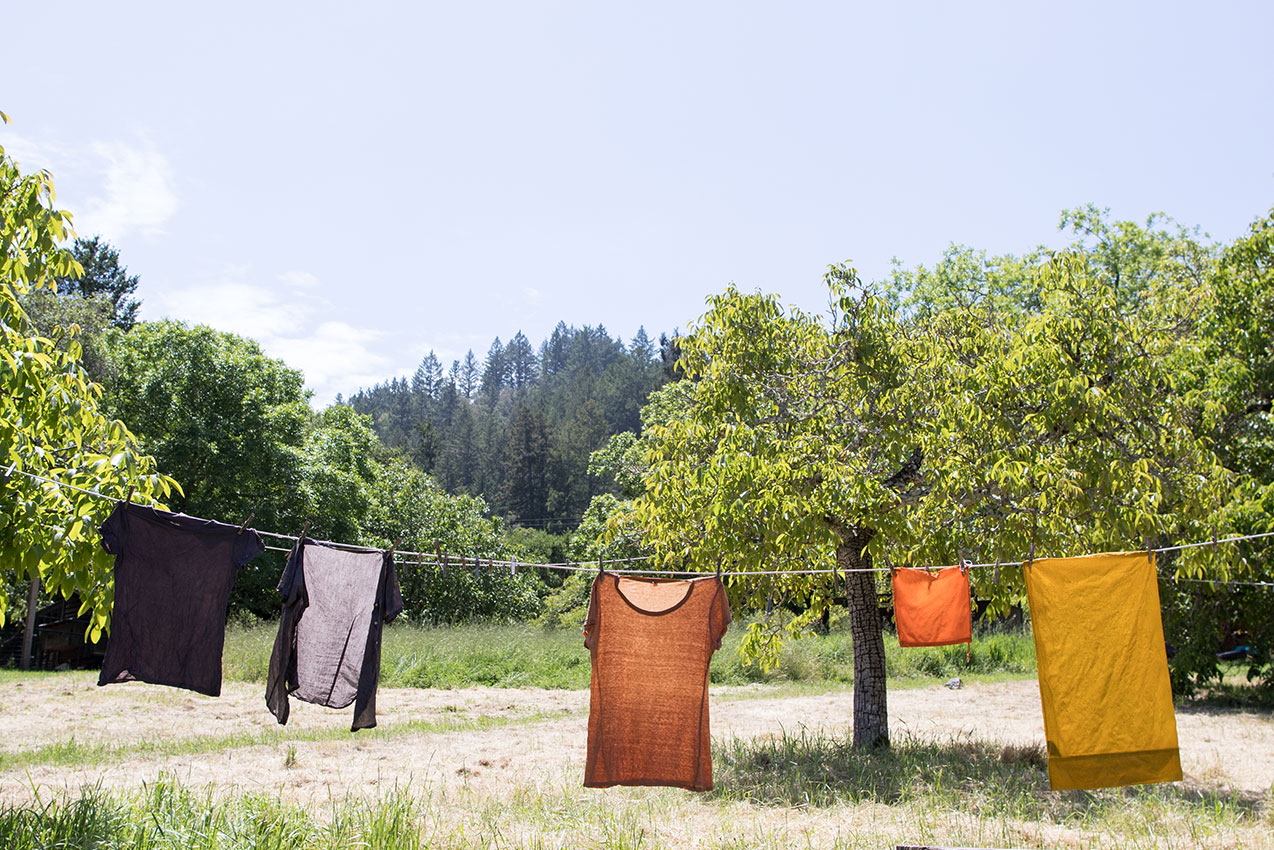
The buzzword “regenerative fashion” has gained momentum across the fashion world, signaling a shift toward a sustainability model that goes beyond the traditional reduce, reuse, recycle mindset. Yet what does regenerative fashion truly involve? At its core, it describes fashion methods crafted to revive and enhance ecosystems and local communities instead of simply reducing negative impacts. This perspective is firmly anchored in the concepts of regenerative agriculture, which emphasizes soil vitality, biodiversity, and maintaining ecological harmony.
Core Principles Guiding Regenerative Fashion
Several core principles serve as the basis for regenerative fashion:
1. Regenerative Production: In contrast to conventional manufacturing that drains natural resources, regenerative fashion aims to restore and enrich the ecosystems where it functions, often by adopting farming practices that boost soil vitality or by sourcing materials from farms that follow holistic grazing and permaculture principles.
2. Ecosystem Integration: Regenerative fashion takes into account the broader ecosystem, encompassing both human and wildlife communities. Brands might participate in initiatives that foster biodiversity or collaborate with local conservation projects to help safeguard the well-being of everyone impacted by or engaged in the fashion supply chain.
3. Circularity and Beyond: While circular fashion focuses on cutting waste by maintaining closed-loop cycles, regenerative fashion extends this idea by establishing systems that not only prevent waste but actively enhance environmental well-being. This involves crafting items with durability and biodegradability in mind, turning to compostable resources, and making sure every component can safely reintegrate into the natural ecosystem.
Real-World Examples
A range of fashion labels and forward-thinking initiatives are now at the forefront of driving a shift toward regenerative practices:
Pioneering Brands: Companies such as Patagonia and Fibershed stand at the leading edge of this movement. Patagonia has directed resources toward securing regenerative organic certification for its cotton supply, ensuring the materials not only comply with environmental criteria but also contribute to ecosystem renewal. Fibershed collaborates with regional farmers to create textiles that improve soil vitality while strengthening the local economy.
Community Empowerment: Initiatives such as the Cotton Diaries seek to foster openness and active community participation within the regenerative fashion movement. By sharing farmers’ experiences and encouraging joint initiatives, they underscore the social and economic advantages that regeneration brings to the fashion sector.
Challenges and Opportunities
As promising as regenerative fashion appears, it faces significant hurdles:
Scale and Adoption: One of the primary challenges is scaling these practices to meet global demand. Many regenerative methods require specific knowledge and resources that are not widespread within the industry. Moreover, convincing stakeholders to shift mindsets from profit-centric to ecology-centered involves intense advocacy and education.
Certification Complexity: Unlike organic certifications, regenerative agriculture still operates without a universally accepted certification framework, which makes it difficult for consumers to distinguish truly regenerative products. Even so, several initiatives are moving forward to create clearer standards and certification paths that support consumers in making well-informed decisions.
Despite these hurdles, embracing regenerative fashion can yield remarkable advantages, offering brands not only environmental redemption but also stronger brand value, deeper consumer trust, and the possibility of long-term financial efficiencies supported by more reliable resource access.
The Coming Era of Regenerative Fashion
As consumer awareness grows and the call for sustainable practices intensifies, the movement toward regenerative fashion is becoming both unavoidable and essential, signaling a transformative shift in the industry. As designers, manufacturers, and consumers begin to adopt this philosophy, a future emerges in which fashion expresses individual identity while also making a meaningful contribution to the planet’s wellbeing. In this sense, regenerative fashion offers a powerful chance to reconnect the industry with the earth’s natural cycles, nurturing systems of life that flourish far beyond basic existence.
Through these initiatives, fashion can shift from being an industry long criticized for its ecological footprint to becoming a driving force for global sustainability and renewal, demonstrating that creativity, business, and environmental stewardship can successfully thrive together in today’s world.