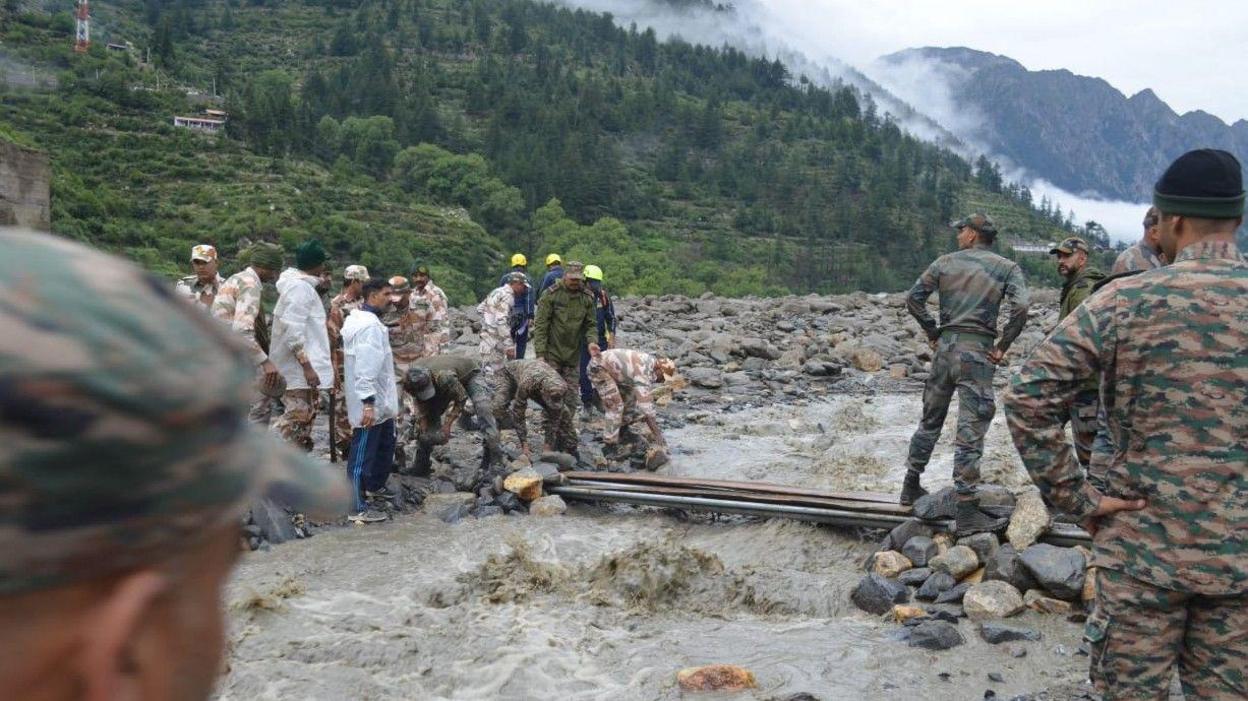
A devastating series of flash floods has left more than a hundred individuals missing across several northern Indian states, with rescue operations continuing amid challenging conditions. Torrential rains triggered sudden surges of water that swept through mountainous regions, catching residents and travelers unprepared. The worst-affected areas include parts of Himachal Pradesh and Uttarakhand, where swollen rivers destroyed roads, bridges, and buildings in their path.
Local authorities report that the missing persons include villagers, construction workers, and pilgrims visiting sacred sites in the Himalayan foothills. Search teams comprising national disaster response personnel, military units, and local volunteers are combing through debris and flooded areas, though persistent rainfall and damaged infrastructure are hampering efforts. Helicopters have been deployed to reach cut-off communities where roads have been completely washed away.
Meteorologists attribute the extreme weather event to unusually intense monsoon rains concentrated over a short period. Some areas received their typical monthly rainfall in just 24 hours, saturating the mountainous terrain beyond its capacity to absorb water. Climate scientists note that such extreme precipitation events have become more frequent in the region, consistent with global warming predictions for South Asia’s monsoon patterns.
The floods struck with terrifying speed during early morning hours, giving residents little warning. Survivors describe being awakened by roaring sounds moments before walls of water crashed through their communities. Many had only minutes to flee to higher ground, leaving all possessions behind. Several eyewitnesses reported seeing vehicles and entire structures being carried away by the raging currents.
Emergency shelters have been established in schools and government buildings across affected districts, housing thousands of displaced residents. Relief organizations are distributing food packets, clean water, and medical supplies, while doctors warn of potential disease outbreaks from contaminated water sources. The Indian Red Cross has mobilized teams specializing in disaster response to assist local health services.
State authorities have unveiled aid plans for families of those who passed away and for individuals who lost their residences or means of living. Nonetheless, a number of impacted citizens voice dissatisfaction with the speed of assistance delivery and what they portray as insufficient readiness for foreseeable monsoon dangers. Certain neighborhoods indicate that unauthorized building by riverbanks and tree removal could have intensified the effects of the flooding.
The disaster has renewed debates about development practices in ecologically sensitive mountain regions. Environmental activists point to numerous hydroelectric projects and road expansions that they argue have disrupted natural drainage patterns and increased vulnerability to extreme weather. Government officials acknowledge the need for better land-use planning but emphasize the challenges of balancing development needs with environmental protection.
Tourism, a vital economic sector for the region, has been severely impacted during what is normally peak season. Hundreds of visitors were evacuated from popular hill stations, while others remain stranded in remote areas. The hospitality industry faces massive losses from cancellations and property damage, compounding the economic shock for local communities.
As search operations continue, families of the missing maintain vigil at relief centers, hoping for news of their loved ones. Rescue workers caution that the chances of finding survivors diminish with each passing day, though they cite past miracles where people were found alive after being trapped for extended periods in similar disasters.
The Indian Meteorological Department has released warnings about more intense rains expected in the following days, heightening fears of further floods and landslides. Authorities responsible for managing disasters are advising people living in at-risk areas to move to safer places until the storm subsides.
Esta calamidad representa el más reciente de una serie de eventos climáticos extremos que han afectado a Asia del Sur en esta temporada de monzones, después de inundaciones mortales en países vecinos. Los expertos en clima advierten que la combinación de alta densidad de población, ecosistemas frágiles y una creciente volatilidad meteorológica en la región crea condiciones propicias para desastres recurrentes de este tipo.
Las inundaciones han interrumpido cadenas logísticas esenciales, con importantes carreteras bloqueadas por deslizamientos de tierra y tramos arrasados. Esto está impactando el transporte de bienes esenciales hacia regiones montañosas que ya enfrentan escasez. Las autoridades están trabajando para establecer rutas temporales mientras los ingenieros evalúan las reparaciones extensivas necesarias para la infraestructura permanente.
In remote villages, community networks have become lifelines as neighbors band together to share resources and information. These grassroots efforts are supplementing official relief operations, particularly in areas where government responders have yet to reach. Local volunteers are using social media to coordinate supplies and identify those needing urgent assistance.
The disaster has prompted calls for improved early warning systems and evacuation protocols in flood-prone areas. While India has made significant investments in weather forecasting technology, gaps remain in communicating alerts to remote communities and ensuring timely responses at the local level. Some villages reportedly received flood warnings but lacked clear instructions on protective actions.
As the urgent response to the crisis persists, long-term considerations arise regarding adjustment to the region’s evolving climate conditions. City planners and disaster specialists recommend flood-proof building regulations, restored natural barriers along rivers, and community-focused readiness initiatives. These strategies could lessen susceptibility to what many anticipate will be more frequent occurrences in future years.
International relief groups have proposed help, yet Indian officials state that local resources are presently adequate to handle the situation. The government has stressed its dedication to aiding impacted communities during the challenging recovery phase to come, while simultaneously striving to bolster defenses against future climate disturbances.
At present, the priority is on finding the missing people, offering aid to those who survived, and stopping additional fatalities as the monsoon persists in its seasonal journey across the subcontinent. This catastrophe underscores the formidable force of nature and highlights the immediate necessity for climate adaptation measures in susceptible areas globally.