A new report on employment, which has been closely analyzed for its impact on the U.S. economy, has sparked intense political responses while also causing worry among economists about a potential future decline. Although the main statistics seem to show continued robustness in the job market, a detailed review of the data suggests signs that the economy may be slowing, which could lead to a wider recession.
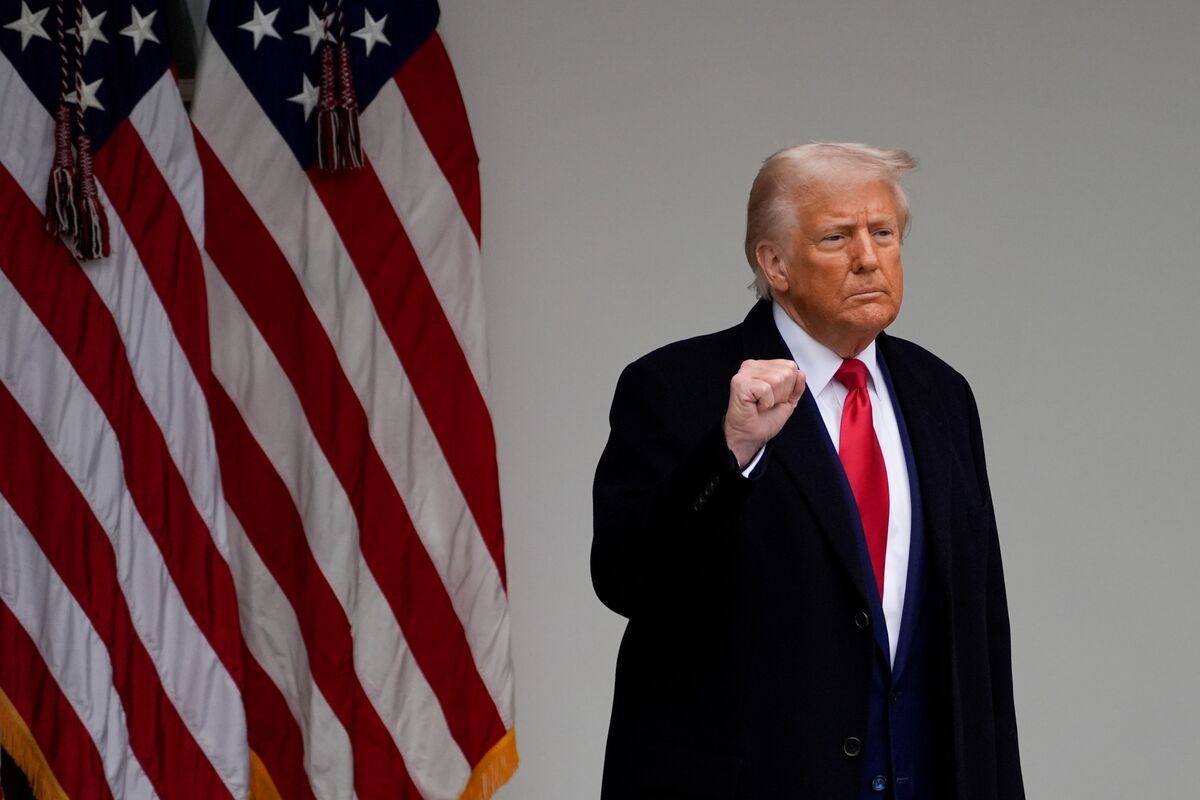
Ex-President Donald Trump voiced his displeasure about the findings and their interpretation, arguing that it either inaccurately portrayed the state of the economy or cast a negative light on the Biden administration’s handling of economic matters. His remarks, shared on social media platforms and during public engagements, painted the report as proof of increasing economic discontent among the American populace. However, setting aside political stories, financial experts are concentrating on the broader patterns that the report might indicate.
Although the total number of new jobs maintained an upward trend, the rate of that increase has started to slow down. Major sectors that have historically driven job growth in the United States—such as construction, logistics, and technology—have witnessed a marked decline in hiring. Additionally, an increase in part-time positions, along with stagnant wages and a higher dropout rate from the workforce, introduces more intricacies to what might otherwise seem like a favorable employment scenario.
A key aspect of the report was the adjustment downward of job gains from preceding months. Although such corrections are typical in governmental labor statistics, they revealed that past optimism might have been founded on exaggerated figures. As consumer spending is beginning to show constraints and businesses are indicating reduced levels of investment and growth, these revisions have raised concerns about the durability of the present job market path.
Economists often look at a variety of indicators to assess the health of the labor market beyond headline unemployment figures. In this case, metrics like the labor force participation rate, the employment-to-population ratio, and the number of long-term unemployed individuals all raised subtle but consistent red flags. Notably, the percentage of Americans holding multiple jobs has also risen, a potential sign that wage gains are not keeping pace with the rising cost of living.
Wage increases, another fundamental indicator for economic progress, have started to level off. Following several months of consistent rises that assisted employees in combating inflation, real wage increases—earnings adjusted for inflation—are now virtually unchanged. For numerous workers, this implies their buying power is unchanging, even if their salaries increase in terms. This stagnation might reduce consumer expenditure, which constitutes more than two-thirds of the U.S. GDP, and could lead to reduced economic growth in the coming months.
Another frequently referenced indicator, the yield curve, remains inverted—a pattern in which short-term interest rates exceed long-term rates. Historically, this has been one of the most consistent predictors of economic downturns. While no single indicator can confirm a recession, a combination of slowing job growth, weakening wage momentum, and market skepticism—reflected in bond markets—suggests the economy could be approaching a pivotal moment.
Although there are cautionary signals, authorities at the national level, such as those at the Federal Reserve, advise against considering any individual statistic as conclusive evidence of a nearing economic downturn. Jerome Powell, the Chair of the Fed, has highlighted a strategy reliant on data to guide monetary decisions, indicating that any future adjustments to interest rates will be based on forthcoming reports on inflation, workforce numbers, and economic expansion. Nevertheless, some experts contend that the earlier rate increases by the central bank are starting to slow down business activities and hiring processes—an outcome that was planned, yet it requires careful oversight to prevent the economy from overcorrecting.
The employment report has also reignited political debate over how to interpret economic data in a polarized environment. While the Biden administration has pointed to continued job growth as proof that its economic policies are working, Republican leaders have highlighted inflation, interest rate hikes, and uneven job recovery across regions and industries to argue that the economy remains fragile. Trump’s own critique of the jobs data forms part of a broader narrative as he positions himself for the 2024 election, emphasizing themes of economic decline and policy mismanagement.
However, analysts caution against viewing jobs data purely through a political lens. The complexity of economic cycles means that slowing job growth could reflect a normalization after post-pandemic surges, rather than a definitive downturn. During the pandemic recovery period, labor markets experienced unusual volatility, with record-setting job losses followed by rapid hiring. As that cycle stabilizes, slower growth may simply indicate a return to more sustainable patterns.
Nevertheless, obstacles persist. Industries including retail and hospitality, which experienced significant recoveries after COVID, are now displaying signs of weariness. Simultaneously, sectors like manufacturing are grappling with changes in global demand, increased production costs, and changing consumer preferences. Additionally, announcements of job cuts in well-known tech companies have added to the rising anxiety, despite overall employment figures remaining steady.
Small business sentiment has mirrored these concerns. Recent surveys show declining optimism among small business owners, many of whom cite rising labor costs, difficulty finding qualified workers, and uncertainty about future demand. These trends, while not catastrophic, contribute to a broader environment of caution that can suppress hiring and investment.
Trust among consumers has also been negatively affected. Survey results show that numerous Americans still feel worried about their financial safety, influenced by ongoing worries regarding housing expenses, the cost of groceries, and debt. Although inflation has dropped from its highest point, the long-lasting effect of continuous price hikes has had a lasting impression, causing families to postpone significant buys or reduce non-essential spending, which further weakens the economic drive.
All of these factors point to a labor market that is still functioning, but increasingly strained. If job creation continues to slow, wage growth remains flat, and consumer demand weakens further, the cumulative effect could tip the balance toward recession. Policymakers will need to carefully weigh their next moves—particularly regarding interest rates, fiscal stimulus, and regulatory support—to steer the economy through this uncertain period.
Although the latest employment data doesn’t definitively indicate a recession, it certainly raises significant concerns that deserve careful attention. In addition to the political uproar it caused, notably from Trump and his supporters, the figures provide a complex view of an economy undergoing changes. Whether this period results in a gentle slowdown or a more significant downturn will rely on various domestic and international factors in the upcoming months. Currently, the focus is on the forthcoming economic indicators as markets, decision-makers, and the public brace for what might be a crucial stage in the recovery following the pandemic.