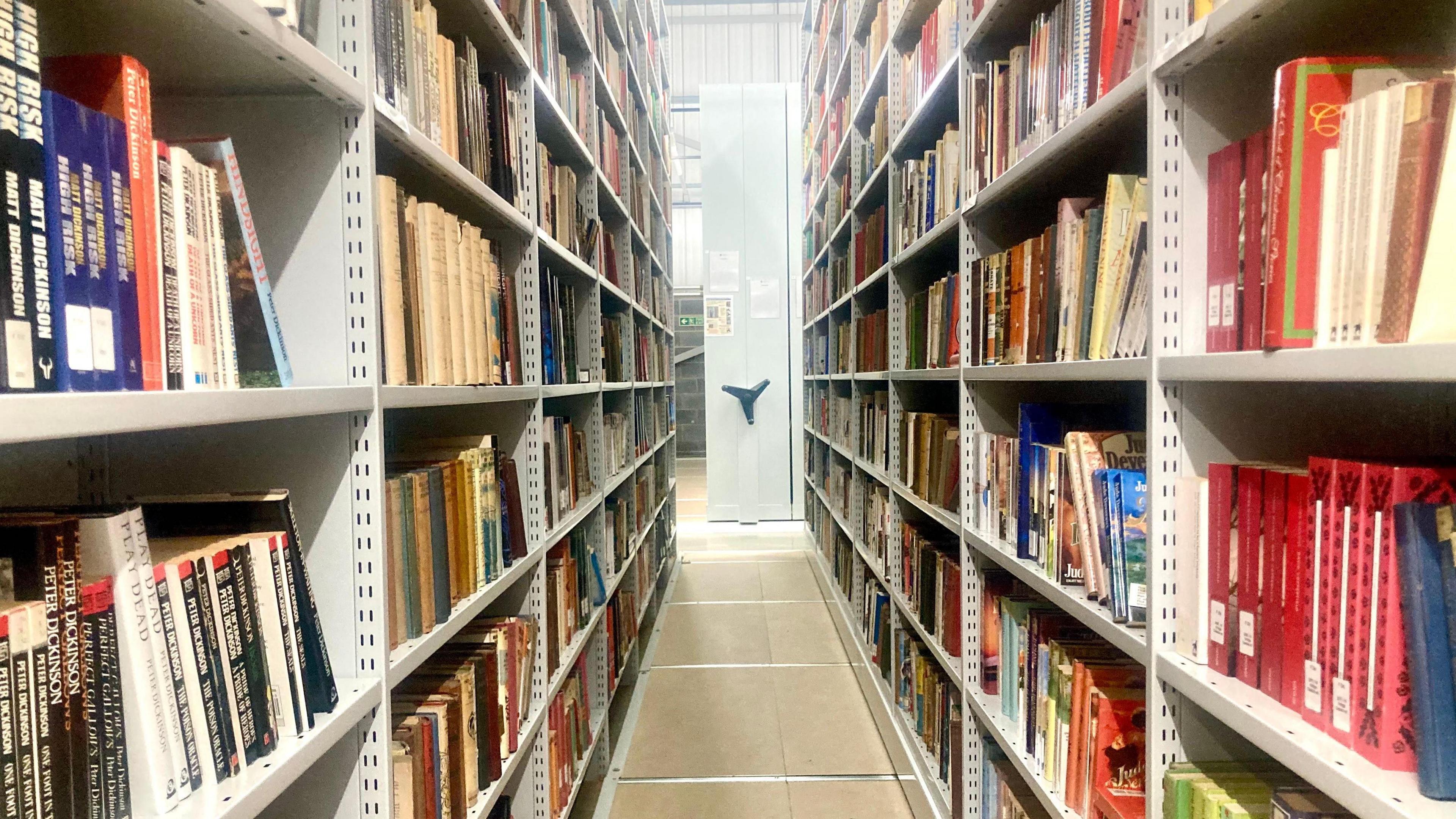
Tucked away from public view lies one of the most remarkable literary collections in the world—an archive dedicated to preserving the history of Penguin Books. Though few ever see it in person, this private repository plays a vital role in documenting the evolution of one of publishing’s most influential imprints. Penguin’s archive is not only a treasure trove of rare editions and historical records; it’s a testament to the enduring impact of books on society.
The archive, maintained with meticulous care, houses thousands of documents, design proofs, manuscripts, internal memos, and first editions. Together, they tell the story of how Penguin transformed publishing in the 20th century—bringing literature, politics, science, and the arts to the hands of everyday readers. What began as an ambitious idea to make affordable books accessible to a mass audience eventually reshaped the relationship between literature and the general public.
Introduced to the market in 1935 by Allen Lane, Penguin transformed the publishing sector by offering well-made paperbacks at affordable prices. Lane’s idea was revolutionary for that era: he was convinced that literature should not be an exclusive privilege of the upper class but rather an accessible asset for everyone. Starting with its initial publications, Penguin dedicated itself to making books widely available while maintaining high editorial standards, establishing new benchmarks in the literary field.
The archive reveals the decisions and debates that shaped the publisher’s bold identity. It chronicles landmark series such as Penguin Classics, which introduced generations of readers to canonical texts from around the globe, and Pelican Books, a nonfiction line that made academic thought widely available. The internal correspondence and editorial notes housed in the archive shed light on how titles were selected, translated, and presented to readers—often reflecting broader cultural and political shifts.
Beyond the books themselves, one of the most compelling aspects of Penguin’s legacy is its visual identity. The archive includes original cover artwork, typographic experiments, and marketing materials that illustrate the publisher’s commitment to design. From the iconic three-band covers to the bold modernist visuals of later decades, Penguin consistently pushed the boundaries of what a book could look like. Designers like Jan Tschichold and Germano Facetti helped define an aesthetic that made the publisher instantly recognizable on bookshelves around the world.
Este enfoque en el diseño no fue simplemente estético; formaba parte de una misión más amplia para indicar calidad y credibilidad. En una era en la que los libros de bolsillo solían considerarse efímeros, Penguin destacó al ofrecer contenido serio en formatos meticulosamente elaborados. Esa estrategia dio sus frutos: no solo los lectores empezaron a confiar en la marca, sino que también comenzaron a vincularla con rigor intelectual y relevancia cultural.
The collection also holds instances of both dispute and bravery. For example, Penguin’s choice to release the unedited version of Lady Chatterley’s Lover in 1960 led to a significant obscenity court case in the UK. This case not only questioned societal decency limits but also examined literature’s influence in contesting societal standards. Penguin’s win in the trial represented a pivotal moment for freedom of speech in publishing, with the case-related documents being some of the most examined in the archive.
What makes this collection especially significant is the story it tells about the democratization of knowledge. Penguin’s mission has always gone beyond selling books—it has centered on expanding who gets to read, learn, and engage with culture. In this sense, the archive isn’t just a historical record; it’s a living reflection of ideas that continue to shape public life. Letters from readers, many preserved in the collection, speak volumes about the personal impact of Penguin titles. For some, these books were their first exposure to philosophy, science, or global literature. For others, they were a lifeline during times of political oppression or personal struggle.
The preservation of these materials serves more than nostalgia—it’s a resource for researchers, designers, publishers, and readers who want to understand how ideas are packaged and distributed. The archive offers insight into the behind-the-scenes decisions that shaped publishing history, but it also inspires new thinking about the future of books in a digital age.
As the world of publishing persists in its transformation, embracing e-books, audiobooks, and novel platforms that are reshaping how we consume books, the Penguin archive serves as a testament to the strength of printed literature. It honors a legacy of creativity that embraces change and evolves to connect with the audience in their current forms. In this manner, the essence that gave rise to Penguin in the 1930s continues to resonate in the present.
Even though the archive isn’t widely accessible, its impact extends far and wide. Many exhibitions, scholarly research projects, and retrospectives often utilize its materials to investigate the connections among literature, politics, and design. Every curated exhibit or academic publication that cites the archive underscores its importance as a crucial component of cultural heritage.
Perhaps most importantly, the collection underscores a simple but profound truth: books matter. They shape identities, challenge assumptions, and connect people across time and geography. Penguin’s archive stands as a quiet but powerful witness to that truth, holding within its shelves the evidence of how one publishing house helped open the world of ideas to millions.
As we look ahead to the future of reading, the archive offers both a record and a challenge. It invites us to continue asking big questions: Who has access to knowledge? What stories get told, and how? And how can publishers continue to serve readers in ways that are bold, inclusive, and imaginative?
By preserving its history, Penguin guarantees that its core values—openness, excellence, and inquisitiveness—stay prominent for those who come after us. Even though the volumes may rest on numerous bookshelves globally, the essence of Penguin’s tale lives on silently within its collection—a testament that publishing transcends mere text, embodying the persistent mission to provide those words to everyone.