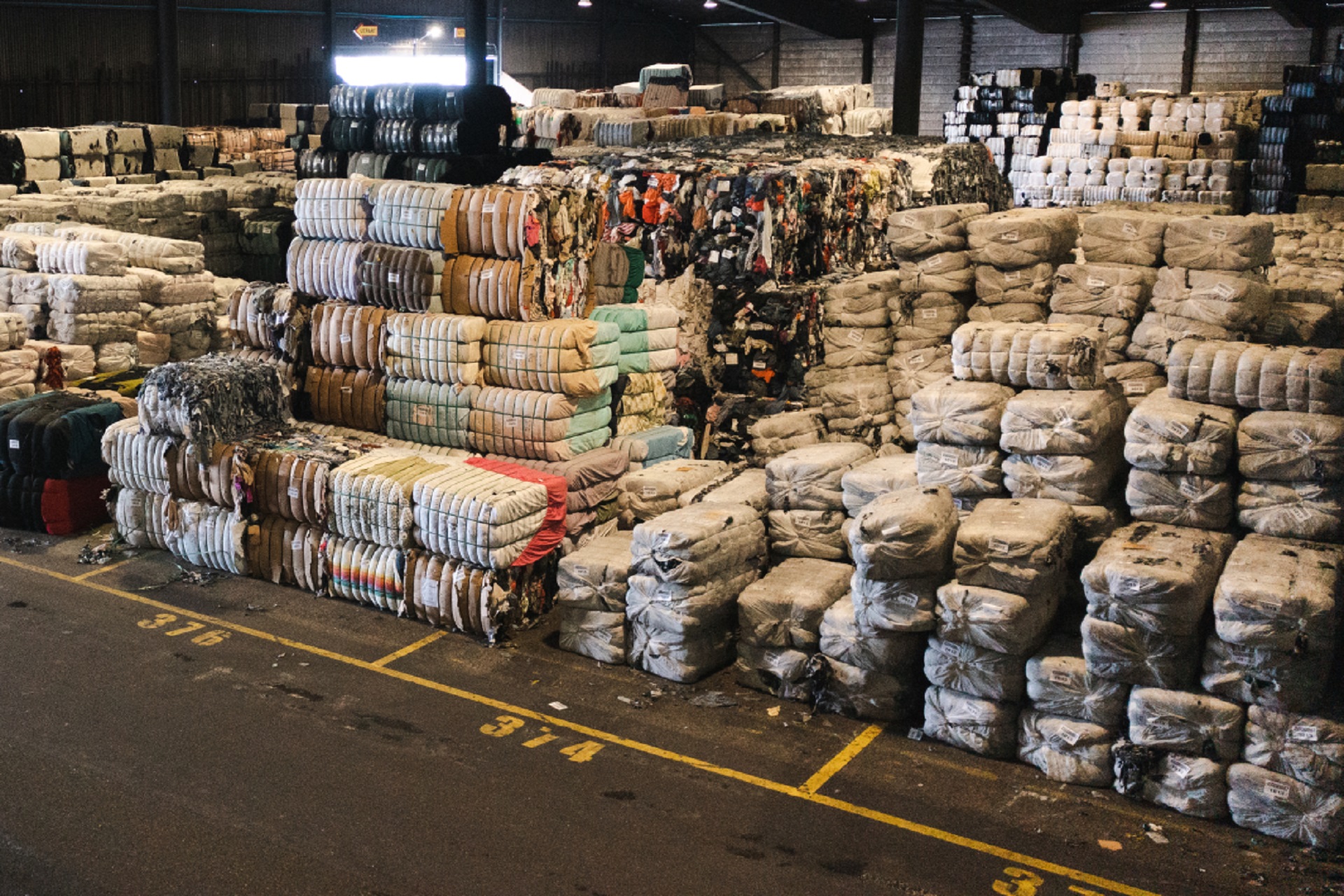
What is Textile Recycling?
Recycling textiles plays a vital role in eco-friendly waste management by gathering, categorizing, and repurposing old fabrics into new, usable materials. This activity helps keep massive amounts of waste out of dumps and lowers the need for virgin materials, saving energy and resources in the process. With the world’s population on the rise, and the fashion sector expanding alongside it, recycling textiles is more important than ever for tackling environmental issues.
The Process of Textile Recycling
The process of recycling textiles is divided into distinct phases, each essential for effectively converting waste textiles into new, functional materials.
Collection: The initial step involves the collection of textiles, which are gathered from various sources, such as clothing donation bins, thrift stores, and textile recycling banks. Many communities offer curbside pickup services, making it more accessible for individuals to participate in textile recycling.
Sorting and Grading: Once collected, the textiles are sorted based on type, condition, and material. Items in good condition are often resold or donated, while damaged or less desirable textiles are set aside for recycling. The sorted textiles are then graded by experts who assess their quality to determine the most suitable recycling method.
Processing: There are several recycling techniques employed that cater to different types of textiles. Natural fibers, like cotton and wool, are typically shredded into fibers before being cleaned and spun into new yarn. Synthetic fibers undergo a process called re-polymerization, where they are chemically broken down and reformed into new synthetic products.
Environmental and Economic Benefits
Participating in recycling textiles offers notable environmental and financial advantages. It lessens the ecological impact of the fashion sector by reducing waste in landfills, preserving natural resources, and cutting down on greenhouse gas emissions.
Energy Conservation: The production of new textiles is energy-intensive. For example, producing a single cotton T-shirt can consume up to 2,700 liters of water. Recycling, on the other hand, dramatically reduces water and energy usage, as the raw materials have already been processed once.
Decreased Waste at Landfills: Fabrics might require several years to break down in landfills, releasing dangerous greenhouse gases. Recycling these materials helps avoid their accumulation in landfills, thus lowering environmental contamination.
Financial Benefits: The reuse of textiles field has generated a multitude of employment possibilities across different areas, ranging from gathering and organizing to sales and production. It boosts the economy by promoting a sustainable economic approach, where resources are utilized for extended periods and waste is reduced to a minimum.
Challenges and Innovations in Textile Recycling
Although it offers advantages, recycling textiles encounters numerous obstacles. Textiles made from blended fibers are challenging to recycle because of the difficulties in separating the various components. Furthermore, the presence of dyes and treatments that are tough to eliminate can impede the recycling process.
However, innovations are continually emerging to address these issues. New technologies, such as automated sorting systems and advanced recycling methods, are being developed to make the recycling process more efficient. Researchers are also exploring biodegradable fibers and environmentally-friendly dyes that simplify recycling.
The Function of Customers and the Industry
Both consumers and the fashion industry play pivotal roles in the success of textile recycling. Consumers can contribute by making conscious purchasing decisions and properly disposing of their textiles through donation or recycling programs. The fashion industry, on the other hand, can promote sustainable practices by designing products with recyclability in mind and investing in innovative recycling technologies.
The potential for textile recycling to transform waste into valuable resources is immense, offering significant environmental and economic advantages. By adopting sustainable practices and supporting innovation in recycling technologies, society can move towards a more sustainable future, where waste is minimized, and resources are conserved.